
-
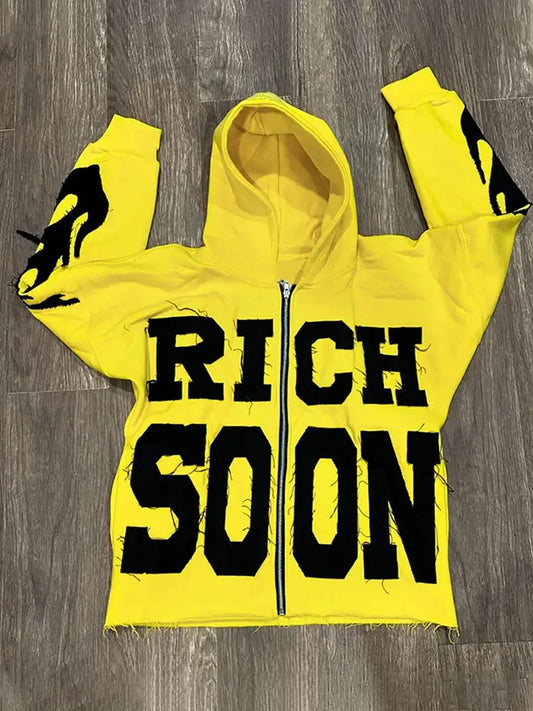
Rich Soon Hoodie
Regular price $48.00Regular price$0.00Sale price $48.00 -
Kanye West T-Shirt
Regular price $34.00Regular price$0.00Sale price $34.00 -
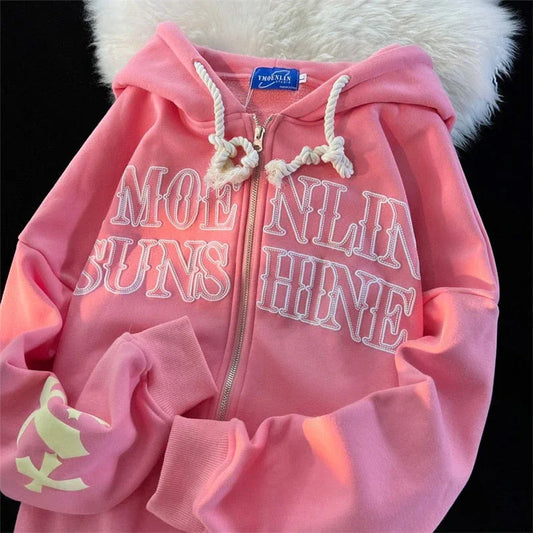
Aesthetic Hoodie
Regular price $64.00Regular price$0.00Sale price $64.00 -
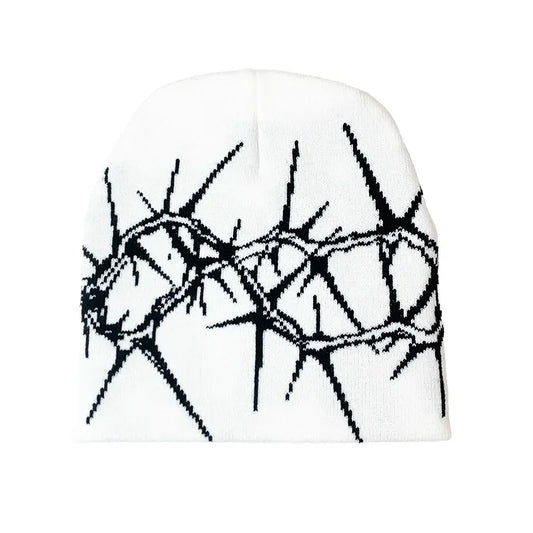
Barbed Wire Beanie
Regular price $27.00Regular price$0.00Sale price $27.00 -
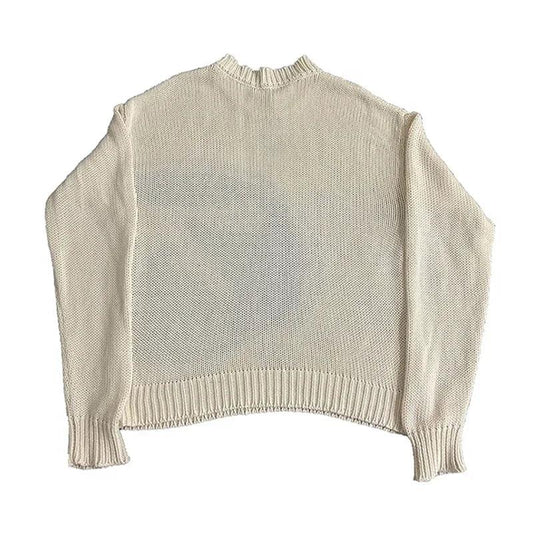
Cream Knit
Regular price $50.00Regular price$0.00Sale price $50.00 -
Y2K Skeleton Sweater
Regular price $48.00Regular price$0.00Sale price $48.00 -
Aesthetic Sweater
Regular price $44.00Regular price$0.00Sale price $44.00 -
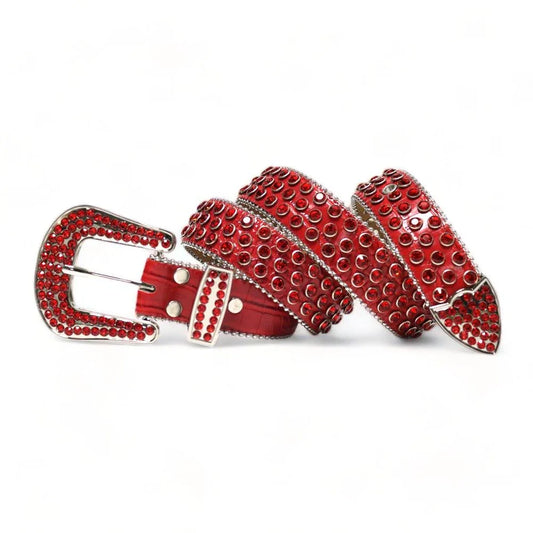
Sparkling Rhinestone Buckle Belt
Regular price $44.00Regular price$0.00Sale price $44.00 -
Cosmic Crop Top
Regular price $34.00Regular price$0.00Sale price $34.00 -
Lip T-Shirt
Regular price $55.00Regular price$0.00Sale price $55.00 -
Y2K Emo T-shirt
Regular price $48.00Regular price$0.00Sale price $48.00 -
Argentina crop top
Regular price $34.00Regular price$0.00Sale price $34.00 -
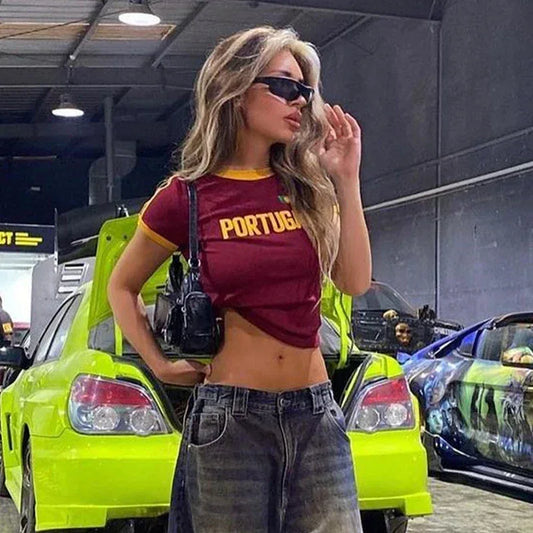
Portugal Crop Top
Regular price $34.00Regular price$0.00Sale price $34.00 -
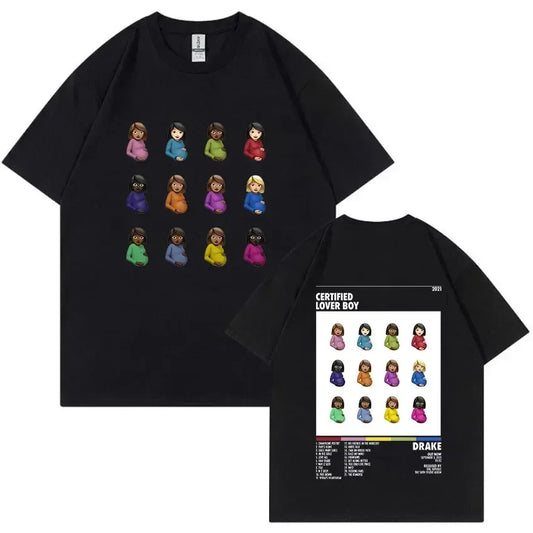
T-shirt Drake Certified Lover Boy
Regular price $40.00Regular price$0.00Sale price $40.00 -
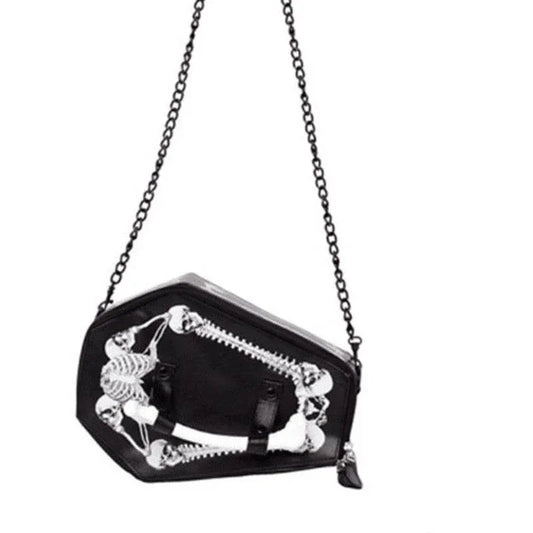
Gothic Coffin Bag
Regular price $82.00Regular price$0.00Sale price $82.00 -
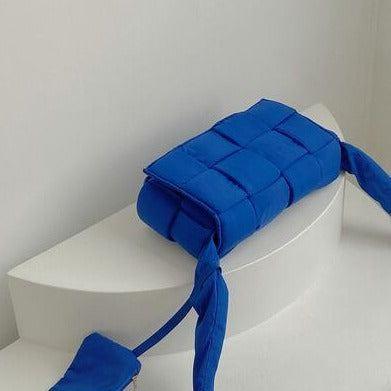
Quilted Bag
Regular price $61.00Regular price$0.00Sale price $61.00 -
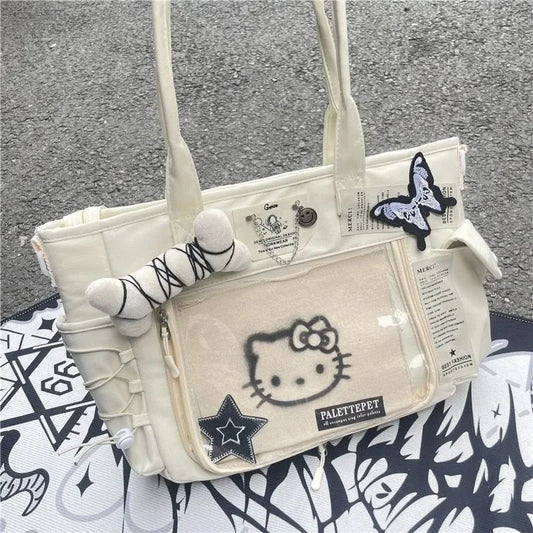
Hello Kitty Tote Bag
Regular price $82.00Regular price$0.00Sale price $82.00 -
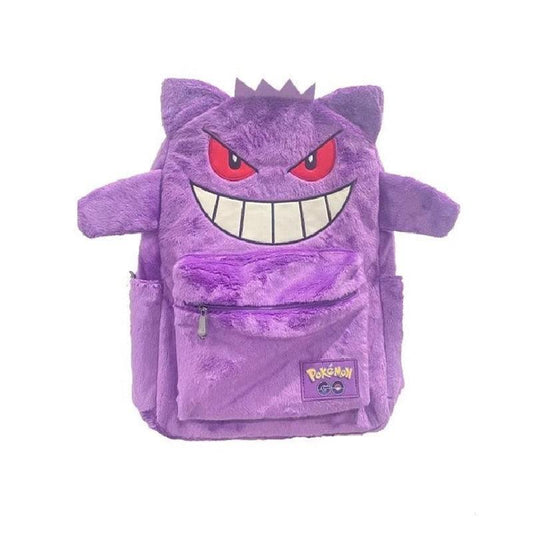
Ectoplasm Bag
Regular price $68.00Regular price$0.00Sale price $68.00 -
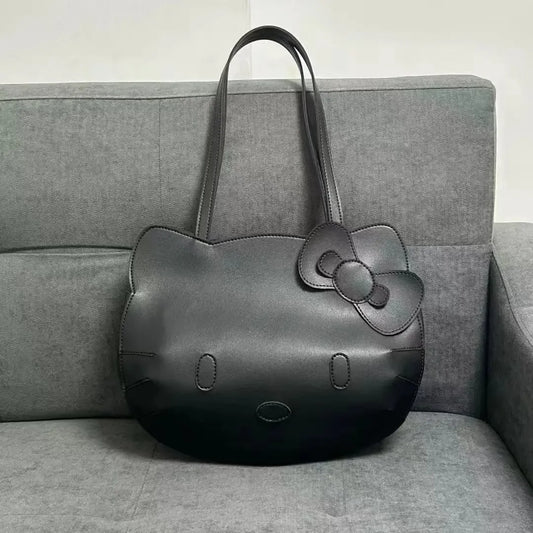
Hello Kitty Handbag
Regular price $46.00Regular price$0.00Sale price $46.00 -
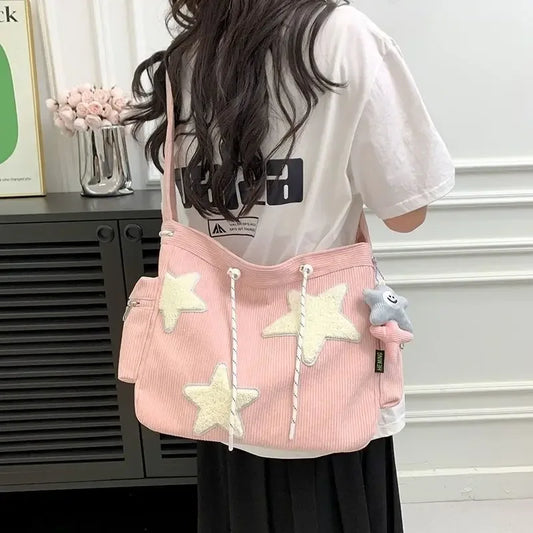
Y2K Tote Bag
Regular price $34.00Regular price$0.00Sale price $34.00 -
Y2K Flare Jeans
Regular price $61.00Regular price$0.00Sale price $61.00 -
Printed Jeans
Regular price $109.00Regular price$0.00Sale price $109.00 -
Hello Kitty Y2K Jeans
Regular price $109.00Regular price$0.00Sale price $109.00 -
Checkered Pixel Jean
Regular price $134.00Regular price$0.00Sale price $134.00 -
Dragon Jeans
Regular price $75.00Regular price$0.00Sale price $75.00 -
Y2K Low Rise Jeans
Regular price $86.00Regular price$0.00Sale price $86.00 -
Opium Jeans
Regular price $122.00Regular price$0.00Sale price $122.00 -
Cow Print Jeans
Regular price $88.00Regular price$0.00Sale price $88.00 -
Skull Jeans
Regular price $134.00Regular price$0.00Sale price $134.00 -
Paisley Jeans
Regular price $82.00Regular price$0.00Sale price $82.00 -
Graphic Printed Pants
Regular price $64.00Regular price$0.00Sale price $64.00 -
Baggy Jean Y2K
Regular price $82.00Regular price$0.00Sale price $82.00 -
Low Rise Y2K Jeans
Regular price $82.00Regular price$0.00Sale price $82.00 -
Custom design jeans
Regular price $53.00Regular price$0.00Sale price $53.00 -
Flame Jeans
Regular price $87.00Regular price$0.00Sale price $87.00 -
Graffiti Jeans
Regular price $87.00Regular price$0.00Sale price $87.00







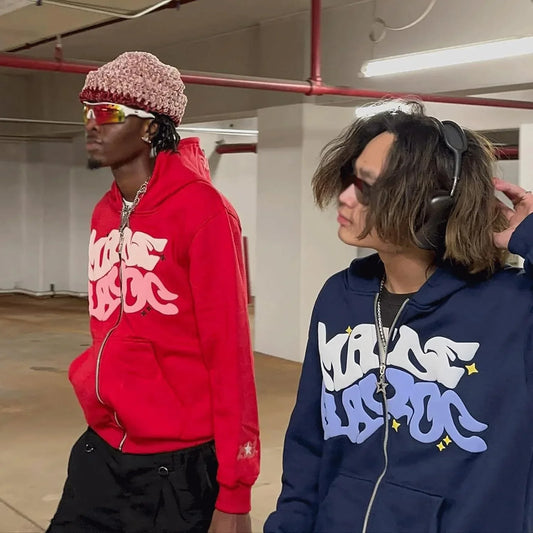


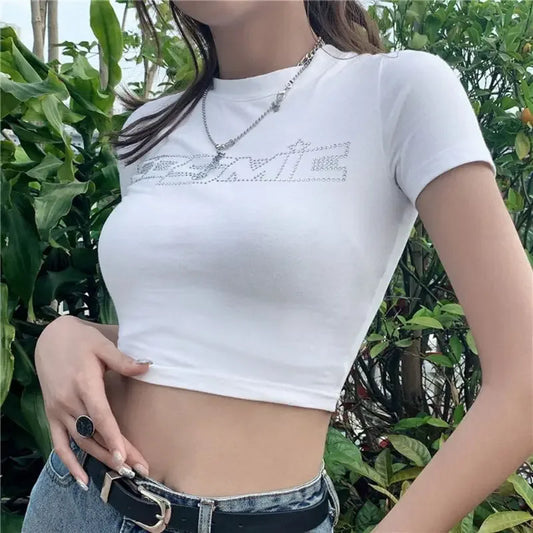


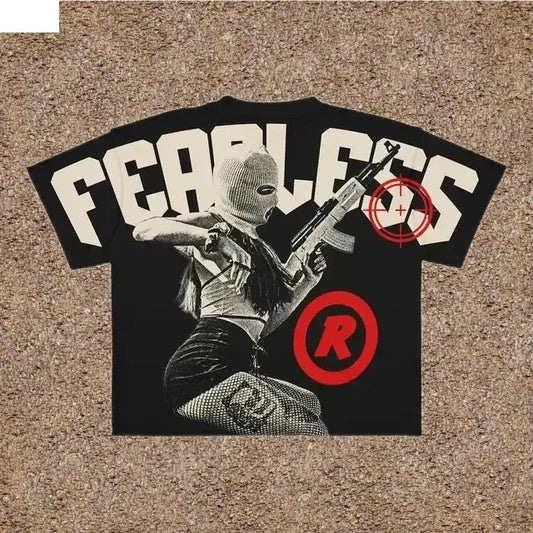










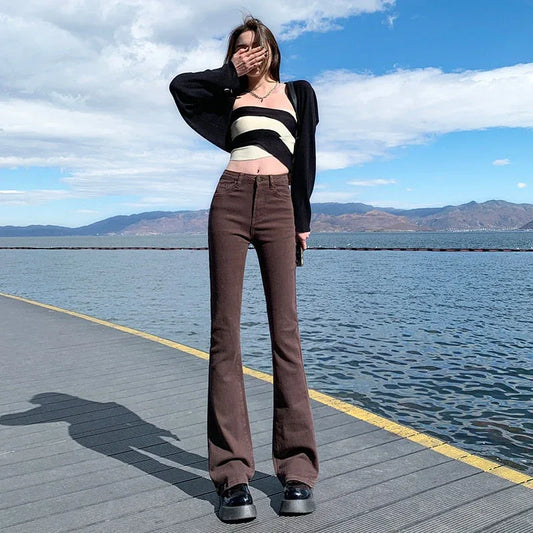

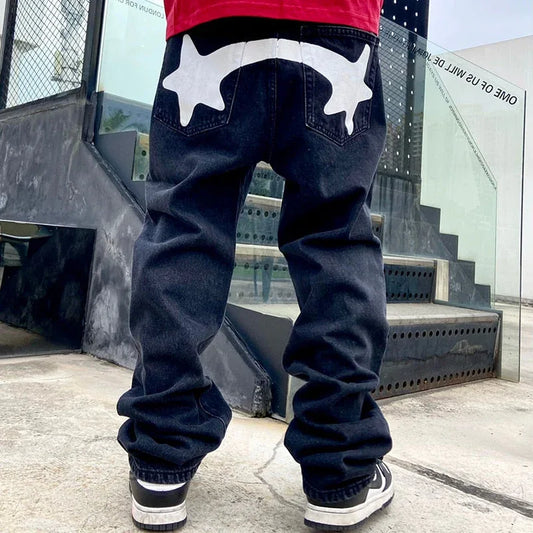

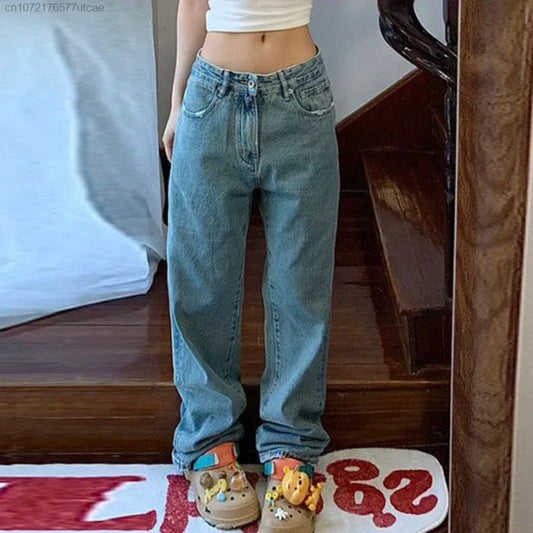


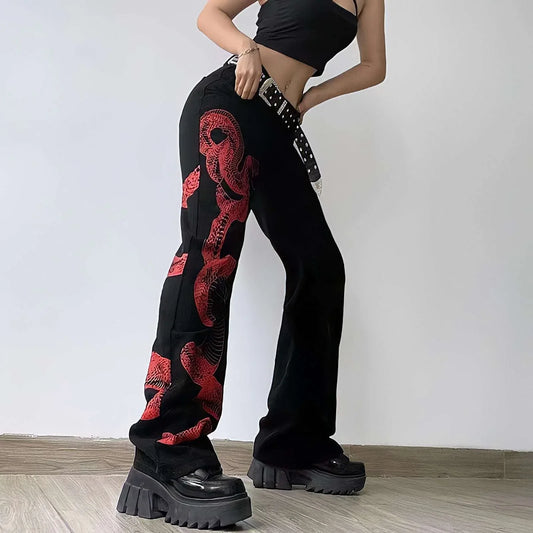

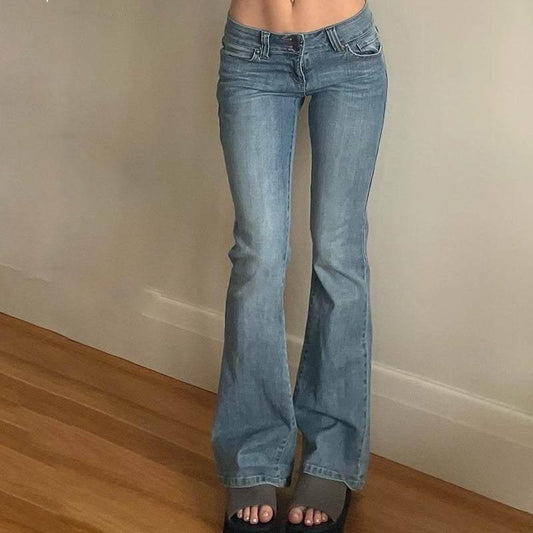

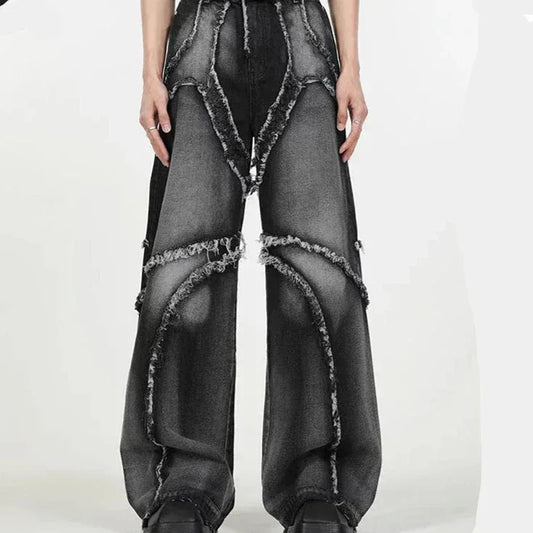

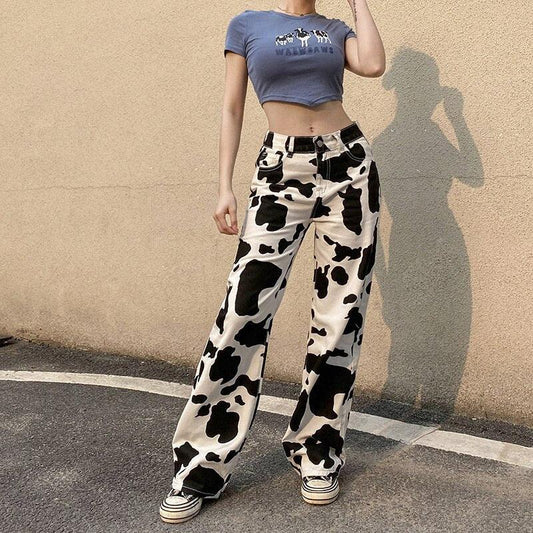

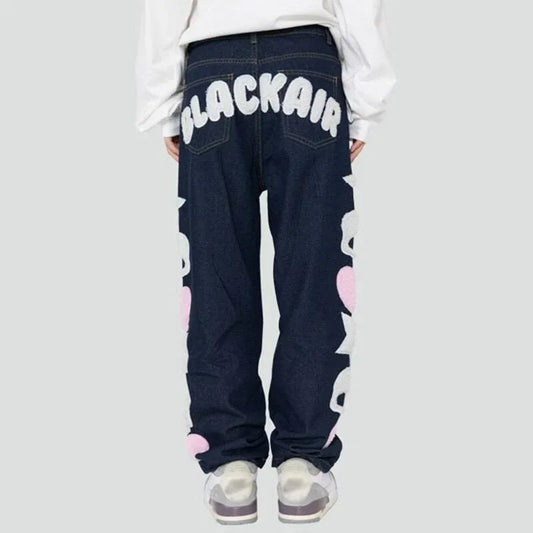

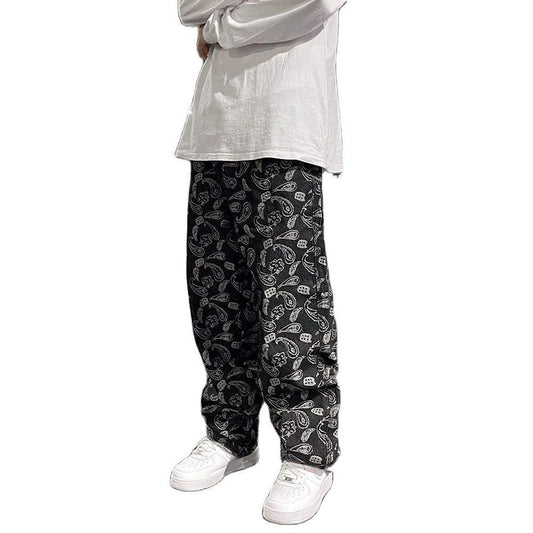

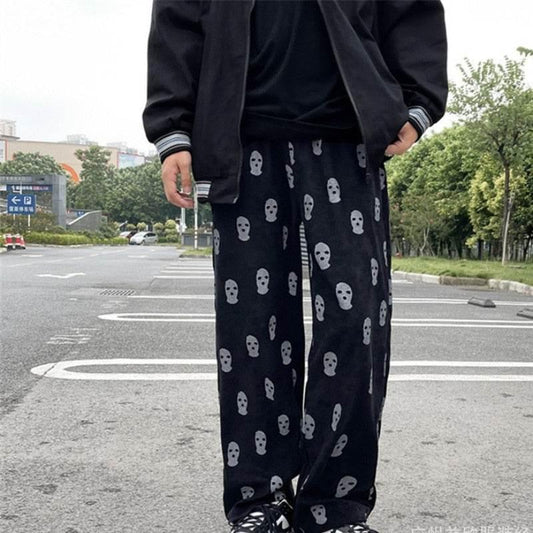

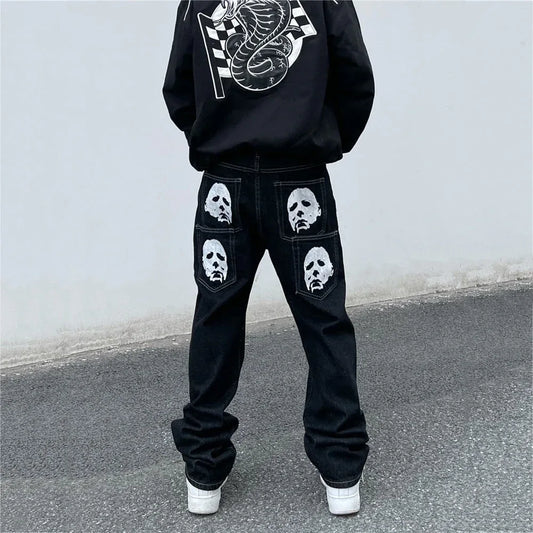

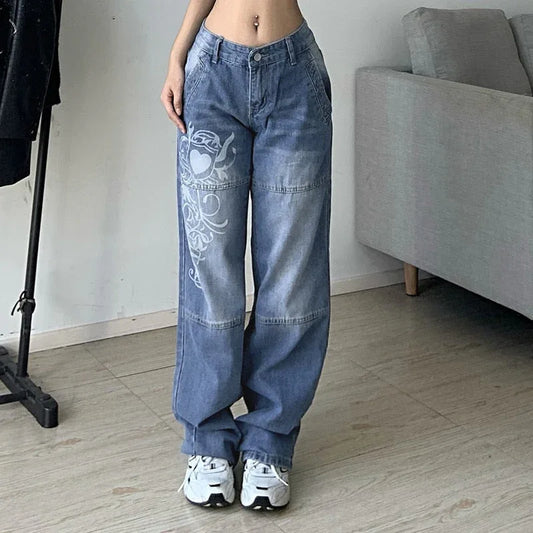

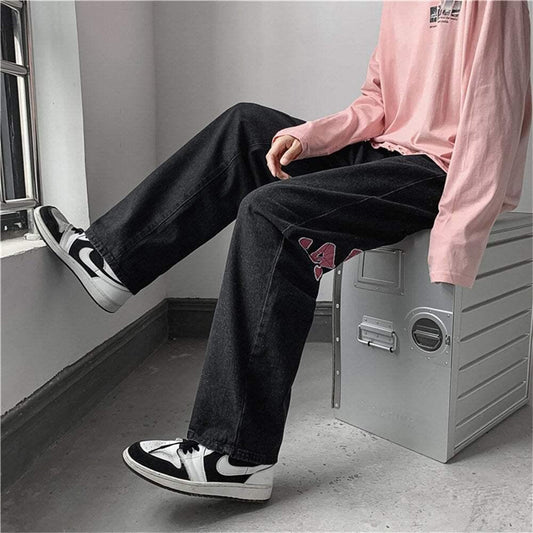

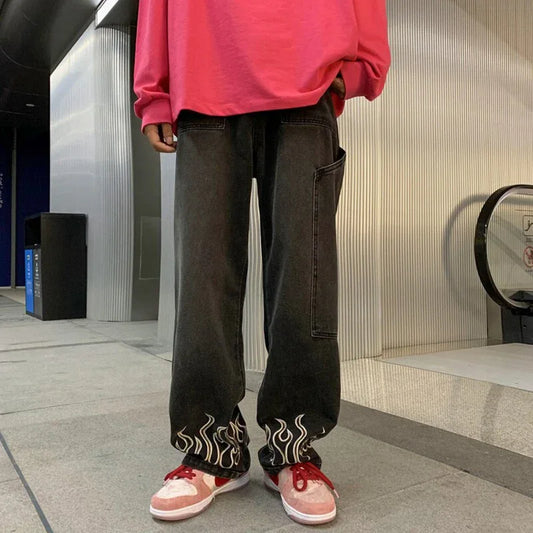

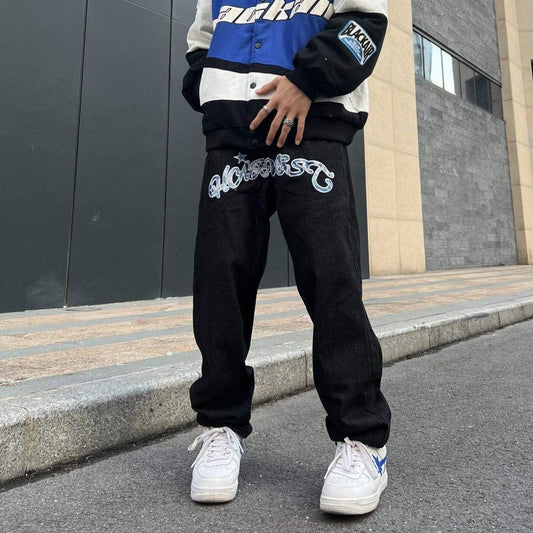
Y2K clothing is defined by early-2000s proportions: baggy denim, pocket-heavy cargos, cropped layers, and accessories that frame the outfit. This hub brings the core pieces together so you can build full fits without overthinking it.
What Makes an Outfit Feel Y2K?
The easiest way to spot Y2K style is the silhouette. Lower-rise inspiration, wider legs, and visible structure (pockets, seams, hardware) create the era’s signature shape. Instead of “minimal,” the look is intentional contrast: roomy bottoms with a cleaner top, or a bold jacket over simple layers.
Start With the Bottom Half
Y2K outfits usually begin with denim or cargos because they set the proportion for everything else. If you want the classic throwback silhouette, start with Y2K jeans. For a more utility-heavy look, go with Y2K pants & cargo and keep the rest of the outfit controlled.
Layering That Stays Clean
When you add outerwear, the goal is structure without bulk. Use Y2K jackets to sharpen the outline, or go softer with Y2K hoodies & sweaters when you want a relaxed top that still holds shape. Keeping your palette consistent usually makes the whole fit look more intentional.
Frequently Asked Questions
Is Y2K style only baggy?
No. Baggy silhouettes are common, but cropped and fitted layers are also part of the look. The “Y2K feel” comes from proportion, not one single fit.
How do I style Y2K without it looking like a costume?
Use one statement element (denim cut, jacket shape, or accessory) and keep the rest simpler. Let silhouette do the work instead of stacking too many loud details.
What’s the fastest way to build a Y2K outfit?
Pick the bottom first (jeans or cargos), then add one structured layer (jacket or hoodie). Finish with one accessory that matches the tone of the outfit.
Do Y2K pieces work year-round?
Yes. You can rotate layers based on season while keeping the same silhouette—lighter tops in warm weather, structured outerwear in colder months.