
















Waterproof or Water-Resistant: Which One's Right for You?
Table of Contents:
- Waterproof vs water resistant: the simplest way to tell
- What “water-resistant” usually means
- What “waterproof” usually means
- Does water resistant mean waterproof?
- The waterproof water resistant difference in the details that actually matter
- 1) Seams: where most jackets fail first
- 2) Zippers and openings: your front zip is a rain channel
- 3) Face fabric “wet-out”: when the outer layer soaks
- 4) Breathability and comfort: the hidden trade-off
- Are windbreakers water resistant?
- Why windbreakers vary so much
- How to judge a windbreaker for rain, fast
- How to style windbreakers for the city without overpromising performance
- How to choose the right option for your day
- Choose waterproof if you expect:
- Choose water-resistant if you expect:
- A quick wardrobe logic that works
- Fit, layering, and silhouette: what actually looks good in wet weather
- For techwear and utility styling: keep movement and pockets in mind
- For darkwear silhouettes: avoid cling and shine in the rain
- For Y2K-inspired street style: balance volume with coverage
- Aionwear relevance: building an all-weather streetwear wardrobe without turning it into hiking gear
- Common buying mistakes (and how to avoid them)
- Assuming the label tells the full story
- Overbuying waterproof for a mostly indoor day
- Underestimating wind
- Forgetting care affects performance
- FAQ: waterproof vs water resistant
- Does water resistant mean waterproof?
- What is the waterproof water resistant difference for everyday commuting?
- Are windbreakers water resistant in light rain?
- Is a water-resistant jacket good for winter?
- What should I look for if I want one jacket for mixed weather?
- Closing: choosing waterproof vs water resistant with confidence
The choice between waterproof vs water resistant comes down to one thing: how much rain you expect, and how long you need protection. Waterproof outerwear is built to block water for sustained exposure. Water-resistant outerwear can handle light rain, splashes, and short exposure, but it can wet out over time. If you have ever asked “does water resistant mean waterproof”, the clear answer is no, and the difference matters when you are planning a commute, a festival night, or a full day moving through the city.
This guide breaks down the waterproof water resistant difference in plain terms, explains what common jacket labels usually imply, and answers a frequent streetwear question: are windbreakers water resistant. You will also get practical, style-aware tips for choosing and wearing each option without turning your outfit into pure outdoor gear.
Waterproof vs water resistant: the simplest way to tell

Here is the clean decision rule you can use in real life: if you need reliable dryness in steady rain, choose waterproof. If you need a shell for light showers, wind, and everyday wearability, water-resistant is often enough.
What “water-resistant” usually means
Water-resistant fabric is designed to slow water down, not stop it forever. You might be protected in drizzle, brief showers, or when you are moving between buildings. Over time, especially under pressure (backpack straps, sitting on wet surfaces, leaning on railings), water can push through or the fabric can become saturated.
In fashion terms, water-resistant is common in lightweight shells, windbreakers, hooded jackets, coated fabrics, and many “all-weather” streetwear layers. It is popular because it often feels lighter, more packable, and easier to style than fully waterproof pieces.
What “waterproof” usually means
Waterproof pieces are designed to prevent water from passing through the fabric itself. In practice, waterproof performance is not only about the fabric. It also depends on construction details like seam sealing, zipper design, storm flaps, and hood coverage. A jacket can use a waterproof fabric but still leak at seams or zippers if those areas are not built for heavy rain.
In day-to-day wear, waterproof shells can feel more “technical” and structured. They can also feel less breathable than lighter water-resistant layers, which matters if you walk fast, bike, or run hot.
Does water resistant mean waterproof?
No. “Water-resistant” suggests limited protection for light or short exposure. Waterproof implies a higher bar for sustained rainfall. If your day involves long time outside in real rain, assume water-resistant will eventually give in and plan accordingly.
The waterproof water resistant difference in the details that actually matter
Fabric labels can be vague, so it helps to focus on the parts of a jacket that decide whether you stay dry. The waterproof water resistant difference often shows up in construction choices more than in marketing language.
1) Seams: where most jackets fail first
Water finds the weak points. Stitch holes at seams are common entry points. Waterproof jackets that are meant for real rain often use sealed seams, meaning there is a tape or sealing method applied inside to block water from pushing through the stitching.
Water-resistant jackets may have unsealed seams, or only partial sealing. That can be fine for a quick walk to the train. It is not ideal for a long downpour.
2) Zippers and openings: your front zip is a rain channel
Standard zippers are not naturally water-blocking. In heavy rain, water can seep through the zipper teeth and around pockets. Waterproof-focused jackets typically reduce this risk with zipper garages, storm flaps, or more weather-focused zipper designs.
If a jacket has multiple pocket openings, loose cuffs, or an exposed front zip, it can still be “water-resistant” but will struggle in prolonged rain.
3) Face fabric “wet-out”: when the outer layer soaks
Even when water is not passing through to your base layer, the outer face fabric can absorb water and feel heavy and cold. This is the soaked look you see on some shells where rain beads at first, then the surface darkens and clings. Wet-out can also reduce breathability, because the fabric stops letting internal heat and moisture move out.
In styling terms, wet-out can ruin the clean silhouette you wanted, especially with longline shells and oversized fits. A more rain-ready shell often keeps its shape better in real weather.
4) Breathability and comfort: the hidden trade-off
Many people choose water-resistant shells because they feel easier to wear for long periods indoors and out. A fully weather-blocking jacket can trap heat if you are layering hoodies, moving fast, or commuting through packed transit.
If you sweat, you can end up damp on the inside even if the jacket is blocking rain from the outside. That is why the right answer is not always “more waterproof”. The right answer is the piece that matches your day.
Are windbreakers water resistant?
Some are, many are not, and most sit in a middle zone. When people ask “are windbreakers water resistant”, what they usually mean is: can I wear this in light rain without getting soaked. The realistic answer is that a typical windbreaker can handle brief drizzle, but it is not dependable in steady rain unless it is specifically built for rain protection.
Why windbreakers vary so much
Windbreaker is a category based on purpose and weight, not a guarantee of rain performance. A windbreaker is designed to reduce wind chill and block airflow. That can be achieved with tightly woven fabric, light coatings, or thin synthetics. Those same features can also repel some water, but not always.
How to judge a windbreaker for rain, fast
- Feel the fabric: Very thin, soft, or porous-feeling windbreakers often let water through quickly. Slightly crisp, tightly woven fabrics usually resist water longer.
- Check seams: If seams are not sealed, assume rain will enter under longer exposure.
- Look at the zipper: Exposed zips and open pocket designs are weak points in rain.
- Consider the hood: A structured hood with adjustability protects better than a floppy hood.
How to style windbreakers for the city without overpromising performance

Windbreakers are excellent for urban layering because they add surface protection, reduce wind bite, and sharpen an outfit’s silhouette. If rain is only a “maybe,” a windbreaker over a hoodie or long-sleeve can be a smart move. If rain is guaranteed, treat a windbreaker as a top layer for short dashes, and keep an actual waterproof shell available if you will be outside for longer.
How to choose the right option for your day
The best approach is to choose based on exposure time, intensity, and how much you will move. This section is meant to be practical, not theoretical.
Choose waterproof if you expect:
- Steady rain for more than 20 to 30 minutes
- Long outdoor time with little shelter (walking routes, events, travel days)
- Wind-driven rain that hits from the side
- You need your inner layers to stay dry for comfort and warmth
Choose water-resistant if you expect:
- Drizzle, light showers, or unpredictable weather
- Short commutes with shelter breaks
- You want a lighter, more breathable everyday shell
- You are layering for style and do not want a stiff outer layer
A quick wardrobe logic that works
If you can only own one rain-capable layer, aim for a versatile shell that is comfortable enough for everyday wear but built with real weather details. If you can own two, a lightweight water-resistant shell plus a dedicated waterproof layer covers most urban weather without forcing one jacket to do everything.
Fit, layering, and silhouette: what actually looks good in wet weather
Weather protection is only half the decision in streetwear. The other half is how the piece sits on your body and what it does to your proportions when you layer.
For techwear and utility styling: keep movement and pockets in mind
Rain pushes you toward shells, and shells push you toward structure. If you like utility fashion, look for outerwear that leaves room in the shoulders and chest so you can layer a hoodie without restriction. Keep pocket access in mind too, because wet weather is when you are most likely to need phone, wallet, and keys protected fast.
For darkwear silhouettes: avoid cling and shine in the rain
Some fabrics go shiny or clingy when wet, which can change the vibe of an otherwise clean darkwear outfit. If you want a sharper look in wet conditions, choose an outer layer that holds its shape and does not collapse onto inner layers when it gets damp.
For Y2K-inspired street style: balance volume with coverage
Y2K fits often mix cropped jackets with baggier pants. In rain, a cropped water-resistant jacket can work if your exposure is short and you accept that your mid layers might get damp at the hem. If you want the same vibe with more coverage, a slightly longer shell or a layered hoodie under a shell keeps the proportions wide but adds protection where water runs.
Aionwear relevance: building an all-weather streetwear wardrobe without turning it into hiking gear
Modern urban style has a practical side: wind, sudden rain, cold transit platforms, and long walking days. The goal is not to dress like you are summiting a mountain. It is to use weather-ready layers as part of your regular system: base layer for comfort, mid layer for warmth, outer layer for protection.
If you like the idea of being prepared without overthinking it, a modular outerwear setup helps. A 3-in-1 design can be useful because it lets you adapt across seasons and conditions, which is the point of utility styling in the first place. If you want that kind of flexibility, the all-weather 3-in-1 jacket is the type of piece that fits a layered streetwear wardrobe and keeps you covered when weather shifts mid-day.
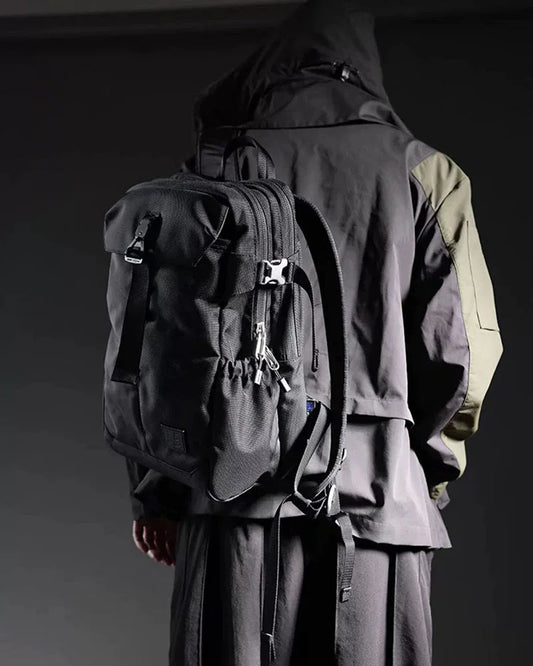
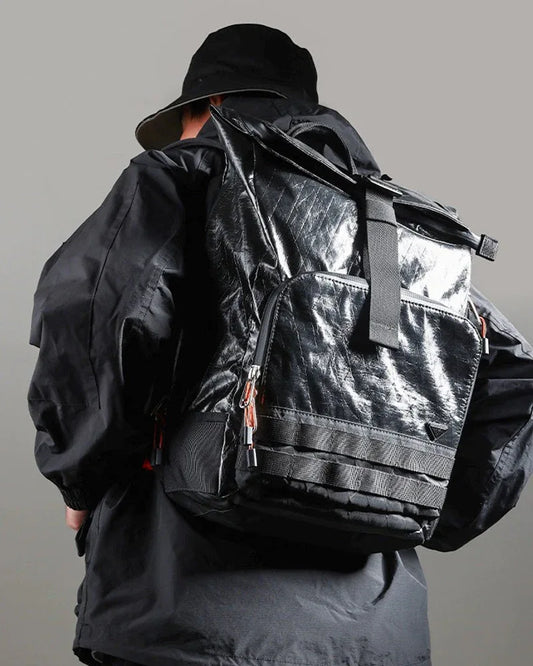
For days when you know you will be out in real rain and you want to keep your essentials together, a dedicated waterproof setup can also make sense, especially for travel or long-city walking routes. In that case, something like an waterproof adventure pack aligns with the same urban function mindset: carry what you need, stay protected, keep your outfit clean and intentional.
Common buying mistakes (and how to avoid them)
Assuming the label tells the full story
Words like “water-resistant” and “waterproof” are often used broadly. Instead of trusting only the label, look at construction clues: sealed seams, zipper protection, hood adjustability, and how exposed the openings are.
Overbuying waterproof for a mostly indoor day
If you spend most of your time indoors, a heavy, highly protective shell can feel like too much. You may end up carrying it or overheating in it. A lighter water-resistant layer can be the smarter daily choice.
Underestimating wind
Rain plus wind changes everything. Wind drives water through openings and around hoods and cuffs. On windy days, a better hood and tighter closures can matter as much as the fabric itself.
Forgetting care affects performance
Water-shedding performance can drop when a jacket is dirty or the surface treatment is worn down. Even without getting technical, it is worth remembering that outerwear is performance clothing in the sense that it needs basic care to do its job.
FAQ: waterproof vs water resistant
Does water resistant mean waterproof?
No. Water-resistant means it can repel water to a degree, usually for light rain or short exposure. Waterproof is designed for sustained rain protection, especially when paired with rain-focused construction details.
What is the waterproof water resistant difference for everyday commuting?
For short commutes with shelter breaks, water-resistant is often enough. If you will be outside for long periods or in steady rain, waterproof is the safer choice.
Are windbreakers water resistant in light rain?
Many windbreakers handle light drizzle briefly, but they are not consistently rain-proof. If a windbreaker has unsealed seams and exposed zippers, expect it to wet through in steady rain.
Is a water-resistant jacket good for winter?
It can be, but warmth depends more on your layers than on water resistance. A water-resistant shell over insulating mid layers works in cold, dry conditions with occasional light precipitation. In wet winter weather, waterproof protection becomes more important.
What should I look for if I want one jacket for mixed weather?
Prioritize a comfortable fit for layering, a protective hood, and rain-aware construction. A modular approach, like a layered system or a 3-in-1 style, is often the easiest way to handle temperature swings and surprise showers.
Closing: choosing waterproof vs water resistant with confidence
If you remember one thing, let it be this: waterproof vs water resistant is not a debate about which is “better,” it is about which is appropriate for your exposure time, rain intensity, and comfort needs. Water-resistant pieces are often the most wearable day-to-day option, especially when weather is uncertain. Waterproof outerwear earns its place when rain is steady, wind is aggressive, or you will be outside for hours. Once you start choosing based on your actual routine, the waterproof water resistant difference becomes obvious, and questions like “does water resistant mean waterproof” and “are windbreakers water resistant” stop being confusing and start being simple wardrobe decisions.