

















Is Urban Streetwear the Future of Fashion?
Table of Contents:
- Urban and streetwear as the future of fashion: the short answer
- Where did streetwear originate? A clear origin story without the myth
- Streetwear began as culture-first fashion
- Why “urban” matters in urban and streetwear
- How streetwear spread so fast
- Streetwear history in phases: how it evolved into the modern mainstream
- Phase 1: Subculture uniforms and DIY signaling
- Phase 2: The rise of recognizable staples
- Phase 3: Streetwear meets the fashion system
- Phase 4: Today’s hybrid streetwear
- What makes urban and streetwear feel “future-proof”
- 1) Layering logic that adapts to weather and movement
- 2) Silhouette and proportion do the heavy lifting
- 3) Utility details keep becoming normal
- 4) Streetwear fits the way people shop and style now
- Streetwear’s biggest tension: authenticity vs. mainstream adoption
- Where streetwear is heading next: utility, futurism, and Y2K signals
- Futuristic streetwear and the techwear-adjacent mindset
- Y2K street style as a parallel future
- How to combine both without looking costume
- Aionwear relevance: building an urban and streetwear wardrobe that actually works
- FAQ: streetwear origins, history, and what comes next
- Where did streetwear originate?
- What is the simplest way to explain streetwear history?
- Is urban and streetwear still “in style” or is it fading?
- What’s the difference between streetwear and techwear?
- How do you make streetwear outfits look more mature?
- What streetwear trends feel most “future” right now?
- Closing: is urban streetwear the future of fashion?
Urban and streetwear is already one of the main engines of modern fashion, and it’s still gaining ground. Not because it is “taking over” in a loud, hype-driven way, but because it fits the way people actually dress: comfortable silhouettes, practical layers, and pieces that signal identity without requiring formal rules. If you’re asking if urban and streetwear is the future of fashion, the honest answer is that it has been shaping the future for years, and now it’s setting the baseline for what “everyday style” looks like across cities worldwide.
To understand where it’s going next, it helps to get clear on where did streetwear originate, what streetwear history actually includes (beyond a few headline moments), and why the streetwear mindset keeps resurfacing, even as trends change.
Urban and streetwear as the future of fashion: the short answer
Urban and streetwear feels like the future of fashion because it’s built around real-life needs: movement, layering, climate changes, commuting, and social settings that shift from day to night. It also adapts fast through community taste, music scenes, creator culture, and the way people style outfits online.
Why it keeps winning in everyday wardrobes
- Comfort as a non-negotiable: Relaxed fits, soft knits, and easy layers make sense for daily wear, not just weekends.
- Utility without a uniform: Pockets, hardware, techy trims, and modular layers reflect urban living, but you can dial the intensity up or down.
- Identity-driven styling: Streetwear is less about “following rules” and more about communicating taste through silhouette, color, and details.
- It absorbs other genres: Minimalism, workwear, sport, punk, goth, and futurist influences all plug into streetwear easily.
What “future” streetwear actually looks like
The future version is not just oversized hoodies and sneakers. It’s sharper proportion control, better layering, more intentional color palettes, and a stronger emphasis on function. Think: clean lines, tactical influences, and pieces that look good on a sidewalk and in a studio.

Where did streetwear originate? A clear origin story without the myth
If you’re searching “where did streetwear originate,” you’ll run into oversimplified answers. Streetwear did not come from one runway, one city, or one designer. It emerged through multiple youth cultures, and it spread because people recognized themselves in it.
Streetwear began as culture-first fashion
Streetwear’s earliest forms came from communities that used style as a language: local scenes, music, skate culture, and neighborhood identity. The point was not to look “luxury.” The point was to look like you belonged somewhere, or to signal that you did not want to.
Why “urban” matters in urban and streetwear
Urban does not mean one aesthetic. It means the clothing is shaped by city life: public transit, weather shifts, walking distances, late nights, crowded spaces, and social visibility. That’s why streetwear’s core pieces tend to be easy to move in and easy to layer, with details that read from a distance.
How streetwear spread so fast
It spread through influence, not formal marketing. People copied what they saw in their scenes, then what they saw in photos, then what they saw online. That grassroots pattern still defines streetwear today: styling catches on because it looks right on real people, in real environments.

Streetwear history in phases: how it evolved into the modern mainstream
Streetwear history is easiest to understand in phases, because the style keeps changing while the logic stays consistent. The details move, but the priorities remain comfort, identity, and cultural relevance.
Phase 1: Subculture uniforms and DIY signaling
Early streetwear was rooted in scene-specific cues: silhouettes, logos, fits, and references that only certain people understood. The clothing carried meaning. In many cities, it was a way to show taste, allegiance, or attitude without needing to explain it.
Phase 2: The rise of recognizable staples
Over time, certain items became streetwear staples because they worked: hoodies, graphic tees, baggy pants, caps, sneakers, and functional outerwear. This era cemented the idea that “casual” could still be styled, curated, and intentional.
Phase 3: Streetwear meets the fashion system
Once the broader industry realized streetwear wasn’t temporary, the look began to appear across a wider range of brands and price points. Streetwear’s influence showed up in proportions on runways, in editorial styling, and in the normalizing of sneakers and relaxed tailoring as acceptable fashion.
Phase 4: Today’s hybrid streetwear
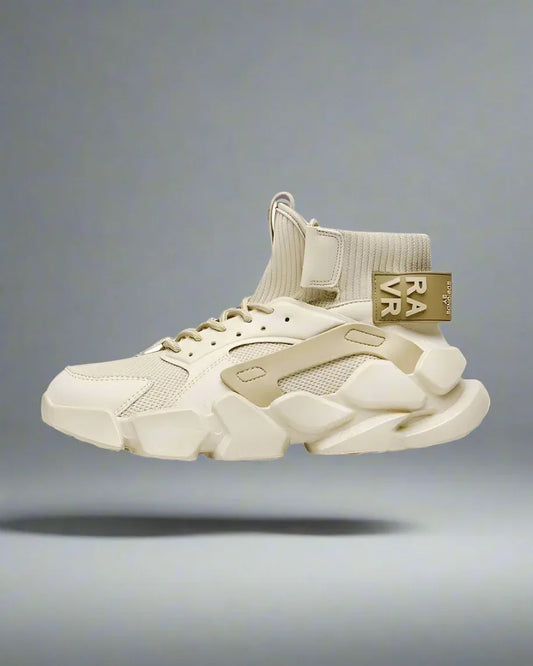
The current phase is the most interesting: streetwear is no longer one look. It’s a platform. Some people take it minimal and monochrome. Some lean into loud graphics. Others push into utility, tactical details, and futuristic street styling. This is where the link between streetwear and techwear also becomes more visible, because function and form start to merge.
What makes urban and streetwear feel “future-proof”
Trends come and go, but streetwear survives because it’s built on styling systems that work across seasons and settings. If fashion is heading toward flexibility, streetwear has been there.
1) Layering logic that adapts to weather and movement
Streetwear is built for layering: tees under shirts, hoodies under jackets, vests over knits, and outerwear that can be the centerpiece. This makes it practical for transitional seasons and city schedules.
- Warm weather: A clean tee, lightweight overshirt, relaxed shorts or cargos, and a compact bag.
- Cold weather: Base layer, hoodie or knit, insulated jacket, and more structured pants.
2) Silhouette and proportion do the heavy lifting
In streetwear, the “fit picture” often matters more than the individual items. The future of the style is about intentional proportion: wider legs with a shorter jacket, or a longer outer layer with a cleaner, slimmer base. When proportions are right, you can keep the palette simple and still look styled.
3) Utility details keep becoming normal
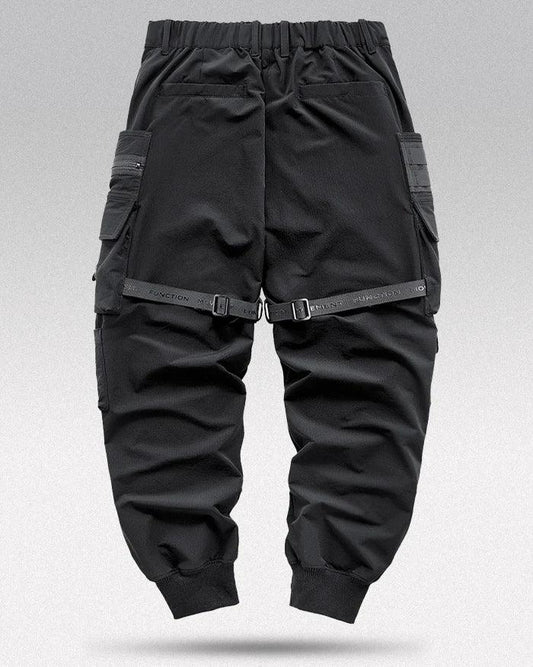
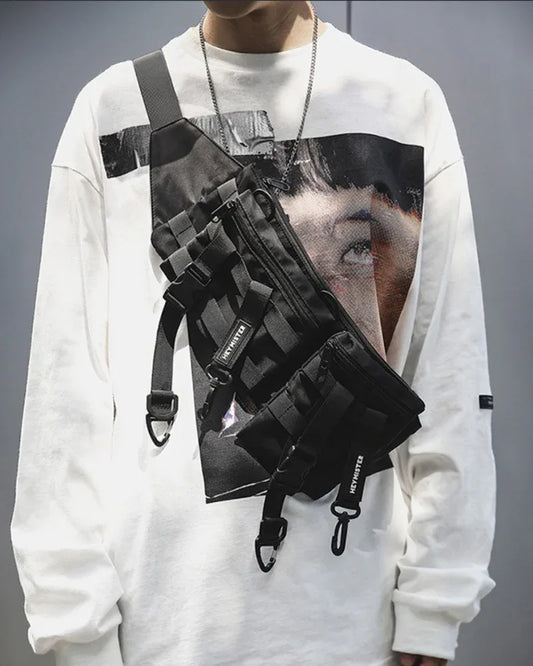
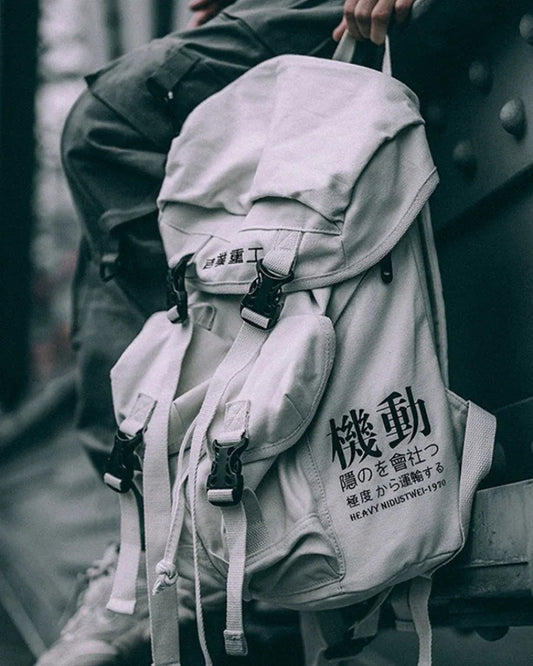
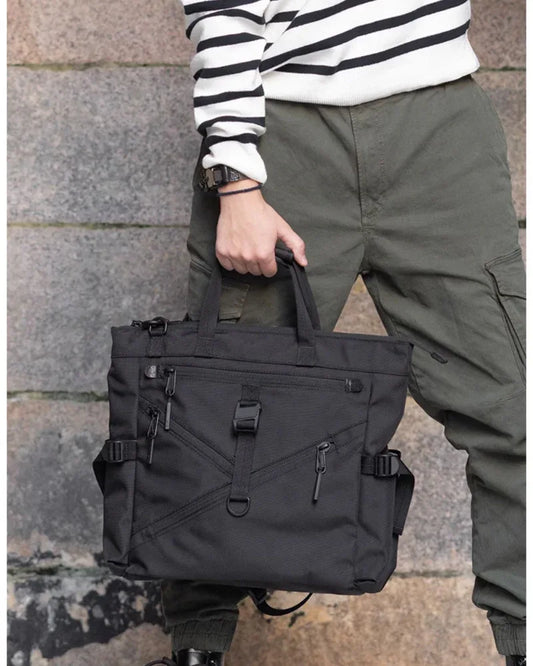
Pockets, zips, straps, and hardware are not just decoration in the streetwear world. They point to a broader shift: people like clothing that does something. Even when the pieces are mostly aesthetic, the utility language signals readiness and control in an unpredictable city environment.
4) Streetwear fits the way people shop and style now
Modern style is often built from interchangeable pieces: a rotation of pants, a few strong outer layers, and accessories that change the mood. Streetwear supports that modular wardrobe approach better than many traditional fashion categories.
Streetwear’s biggest tension: authenticity vs. mainstream adoption
As streetwear becomes more mainstream, a natural tension shows up. Streetwear started as culture-first and community-led. When everyone adopts the look, the original signal can feel diluted.
Why this tension is normal, not a crisis
Fashion cycles always pull ideas from the margins into the center. Streetwear is not unique in that. The difference is that streetwear reacts quickly. Communities adjust styling codes fast: they shift silhouettes, swap references, and find new ways to make the look personal again.
How to keep your streetwear personal
- Choose a consistent palette: Monochrome, earth tones, or high-contrast black and grey can become your signature.
- Prioritize one statement at a time: If the pants are loud, keep the top clean. If the jacket has hardware, keep the base minimal.
- Use accessories like punctuation: A bag, cap, ring, or glasses can shift a basic outfit into a specific mood.
- Control the fit: Hem length, sleeve stacking, waist placement, and shoe profile change the whole outfit more than most people realize.
Where streetwear is heading next: utility, futurism, and Y2K signals
The most visible direction for streetwear right now is a split between two poles that often overlap: utility-forward futuristic streetwear and Y2K-inspired experimentation. Both feel “future” in different ways.
Futuristic streetwear and the techwear-adjacent mindset
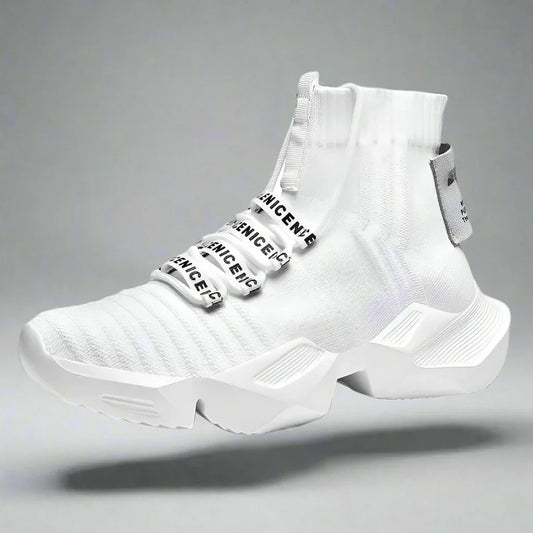
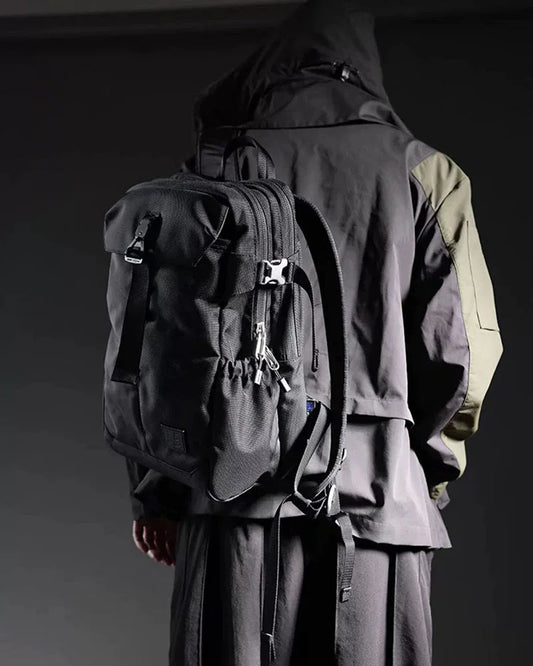
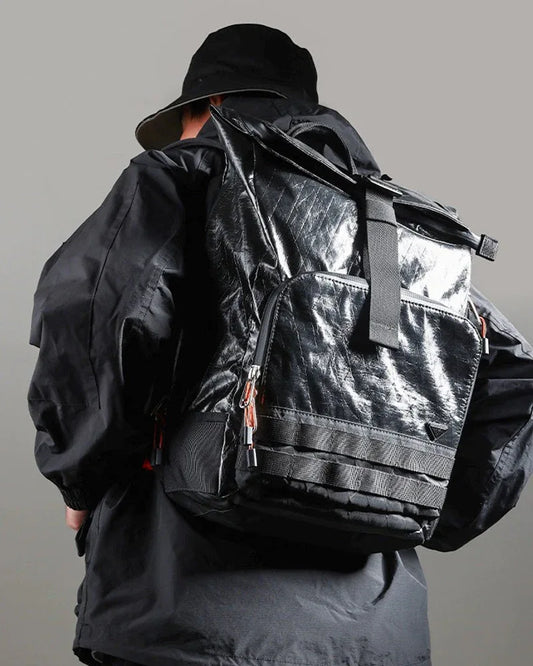
Even if you do not dress in full technical gear, the influence is everywhere: sharper outerwear lines, modular pocketing, darker palettes, and outfits built around movement. If you’re drawn to that direction, exploring techwear styles and silhouettes can help you understand how function-led design changes the whole look, especially through jackets, cargo pants, and layered systems.
Y2K street style as a parallel future
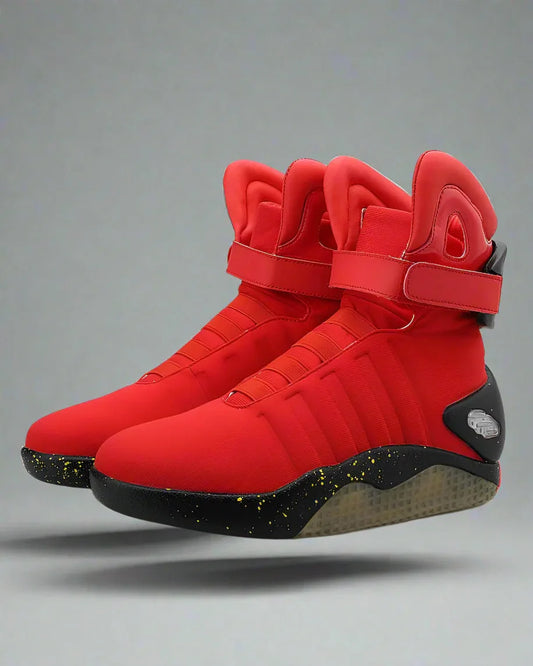
Y2K energy brings a different kind of futurism: glossy textures, bold graphics, throwback fits, and playful proportions. It often leans more experimental and nostalgic at the same time. If your version of urban and streetwear includes that late-90s to early-2000s attitude, the Y2K-inspired streetwear edit is the lane where you’ll see those louder signals and throwback references come through.
How to combine both without looking costume
- Keep the base clean: Choose simple pants and a simple top, then add one futuristic or Y2K piece as the focal point.
- Match the hardware: If your jacket has silver zips, echo that with one accessory detail so it feels intentional.
- Balance shapes: If you go baggy on the bottom, keep the outer layer cropped or structured. If the jacket is long, keep the pants cleaner.
Aionwear relevance: building an urban and streetwear wardrobe that actually works
Streetwear looks best when it’s wearable, repeatable, and built around strong silhouettes. The easiest way to make urban and streetwear feel “future-ready” is to focus on a small system of pieces that layer well and give you proportion options across seasons.
A practical streetwear core, styled like an editor
- One structured outer layer: A jacket that can anchor an outfit without relying on loud branding.
- One utility-leaning bottom: Cargo or pocketed pants that add shape and function.
- Two clean tops: A tee and a long-sleeve or hoodie that you can rotate under outerwear.
- One statement piece: Either a graphic, a texture, or a bold silhouette that shifts the mood.
If your style leans darker, more technical, or more layered, you’ll naturally overlap with techwear and darkwear styling logic: outfits designed around movement, pockets, and outerwear structure. If you lean playful and nostalgic, the Y2K lane offers a faster, more impact-driven way to change the vibe with fewer pieces.
FAQ: streetwear origins, history, and what comes next
Where did streetwear originate?
Streetwear originated through youth subcultures and city style, shaped by local scenes that valued comfort, identity, and practical everyday outfits. It was culture-led before it was industry-led.
What is the simplest way to explain streetwear history?
Streetwear history moves from subculture uniforms to widely recognized staples, then into broad fashion adoption. The details change, but the core stays the same: comfort, attitude, and community influence.
Is urban and streetwear still “in style” or is it fading?
Urban and streetwear is still in style because it functions as everyday wear, not a single short-lived trend. It evolves through silhouettes, footwear, and layering rather than disappearing.
What’s the difference between streetwear and techwear?
Streetwear is a broad style category centered on casual staples and cultural signaling. Techwear is more function-focused and often uses a utility-first design language, with stronger emphasis on pockets, weather-ready layering, and tactical details.
How do you make streetwear outfits look more mature?
Use a tighter color palette, reduce visible graphics, and focus on fit and fabric texture. A structured jacket and clean footwear can make relaxed silhouettes look intentional rather than sloppy.
What streetwear trends feel most “future” right now?
Two strong directions are utility-forward, tech-influenced styling and Y2K-inspired experimentation. Both emphasize bold silhouettes and a clear point of view, just expressed differently.
Closing: is urban streetwear the future of fashion?
Urban and streetwear is the future of fashion in the most practical sense: it already defines how people want to dress, and it keeps absorbing new influences without losing its core purpose. When you understand where did streetwear originate and how streetwear history evolved, you can see why it lasts. It’s not only a look. It’s a styling mindset built around comfort, identity, and the realities of modern life.
The next chapter won’t be one uniform trend. It’ll be personal systems: utility layers for city movement, futuristic outlines, and Y2K signals for attitude. Streetwear’s future is the same reason it became powerful in the first place: it belongs to the streets, which means it changes the moment people do.