
















Is CORDURA® The Game-Changer Your Wardrobe Needs?
Table of Contents:
- What is CORDURA? A clear definition of cordura fabric
- Cordura fabric performance: what it does well, and what it does not
- Strengths: abrasion resistance, longevity, and structure
- Limitations: water resistance depends on finishing, and breathability depends on garment design
- How cordura compares to common wardrobe fabrics
- Where cordura makes the most sense in a wardrobe
- Outerwear: jackets that hold up to daily movement
- Pants and high-wear panels: knees, seat, hems, and pocket edges
- Bags and accessories: the original daily-abuse category
- How to style CORDURA without looking overly tactical
- Outfit rule: pair one hard surface with one soft layer
- Fit and proportion: let the fabric hold the silhouette
- Color logic: black is easy, but texture is the real point
- Seasonal styling: layering choices that keep cordura wearable
- Care guide: how to clean cordura fabric and keep it looking sharp
- Everyday cleaning: begin with the least aggressive method
- Washing: avoid harsh chemistry and high heat
- Maintaining water resistance on treated garments
- Why cordura shows up in techwear and utility fashion
- Functional details that pair well with cordura
- Aionwear relevance: building a durable modern streetwear kit
- FAQ: cordura fabric questions people actually ask
- What is cordura fabric best used for in clothing?
- Is cordura waterproof?
- Does cordura feel stiff?
- How do you wash cordura fabric safely?
- Is cordura good for everyday streetwear outfits?
- Closing: is cordura fabric actually a wardrobe game-changer?
CORDURA fabric has a reputation for taking wear and tear better than most everyday textiles. If you have ever asked what is CORDURA and why it shows up in utility fashion, workwear, and techwear, the short answer is this: cordura is a brand-known family of fabrics built around abrasion resistance and long-term durability, often used where clothing gets scuffed, snagged, and stressed.
That does not automatically mean every CORDURA piece is perfect for every wardrobe. Some versions feel crisp and structured, others are lighter and more flexible, and most depend on garment design and finishing for things like water resistance. In this guide, you will get a clear, practical breakdown of what cordura fabric is, what it is typically made of, how it behaves in real outfits, how to care for it, and how to style it in a modern streetwear context.
What is CORDURA? A clear definition of cordura fabric

CORDURA is a trademarked fabric brand best known for producing tough textiles designed to resist abrasion, tearing, and general daily abuse. People often use “cordura” as shorthand for “hard-wearing nylon,” but cordura fabric can exist in different constructions and weights, and it is the combination of fiber type, yarn properties, weave, and finishing that creates the final feel.
What cordura fabric is usually made of
Most classic cordura fabric is built from high-tenacity nylon known for strength and resilience. You may also see versions made with other fiber blends depending on the end use. The key point for shoppers is that “CORDURA” does not describe a single identical fabric across every product. It describes a category of fabrics made to hit a performance profile, and the exact hand feel and thickness can vary.
How construction changes the look and feel
Two jackets can both say CORDURA and still wear differently. Differences often come from:
- Weave type (for example, a smooth plain weave versus a grid-like ripstop look)
- Denier and overall weight (heavier tends to feel more structured, lighter tends to pack down more easily)
- Finishes or coatings (which affect sheen, stiffness, and water resistance)
- Paneling and reinforcement (CORDURA panels can be used only in high-wear zones)
If you like a sharper, more architectural silhouette, a sturdier cordura fabric can hold shape better than many basic poly shells. If you prefer a softer drape, look for lighter constructions or garments that use CORDURA selectively rather than head to toe.
Cordura fabric performance: what it does well, and what it does not
CORDURA is popular for a reason, but it is not magic. Understanding what cordura does best helps you pick pieces that actually match your lifestyle.
Strengths: abrasion resistance, longevity, and structure

The main appeal of cordura fabric is durability. In practical terms, that usually translates to fewer scuffs from daily commuting, less worry about rubbing against rough surfaces, and better survival in high-contact areas like elbows, cuffs, hems, knees, and pocket edges.
From a fashion perspective, cordura can also create a purposeful silhouette. It often reads more “utility” than “delicate,” and it tends to look clean even when styled simply because the fabric carries its own visual authority.
Limitations: water resistance depends on finishing, and breathability depends on garment design
A common misconception is that cordura is automatically waterproof. CORDURA can be used in water-resistant garments, but water performance depends on coatings, laminations, seam construction, and garment design. If you need true rain protection, look for pieces that specify waterproof membranes or sealed seams rather than assuming the fabric name alone guarantees anything.
Breathability also varies. A tightly woven, coated cordura fabric can feel warmer and less breathable than a lighter uncoated shell. In real-world wear, ventilation features, lining choices, and fit matter as much as the textile.
How cordura compares to common wardrobe fabrics
- Versus standard nylon: cordura is often chosen for higher abrasion resistance and a more rugged feel, though the exact difference depends on the specific nylons being compared.
- Versus polyester: polyester can be durable and easy-care, but cordura typically aims for tougher wear characteristics in high-friction use cases.
- Versus cotton canvas: canvas has a classic workwear look and a natural feel, but it can be heavier and slower to dry. Cordura can offer a more technical look with less water absorption in many builds.
If your wardrobe leans techwear or utility streetwear, cordura fabric often makes sense because it matches the visual language: structure, function, and pieces built to be worn hard.
Where cordura makes the most sense in a wardrobe
The smartest way to think about cordura is placement. The fabric shines where garments take repeated friction and stress, and where a clean, durable surface helps clothing keep its shape over time.
Outerwear: jackets that hold up to daily movement
Jackets are one of the most natural places for cordura because outerwear gets scraped by bags, transit seats, door frames, and weather exposure. A cordura shell can also look sharper for longer because it resists that tired, pilled look that some softer fabrics develop.
If you are building a functional streetwear kit, start by looking at pieces designed around movement and utility. A well-designed jacket matters more than the label on the fabric. Think about pocket placement, cuff and hem adjusters, hood structure, and how the jacket layers over mid-layers.
Pants and high-wear panels: knees, seat, hems, and pocket edges
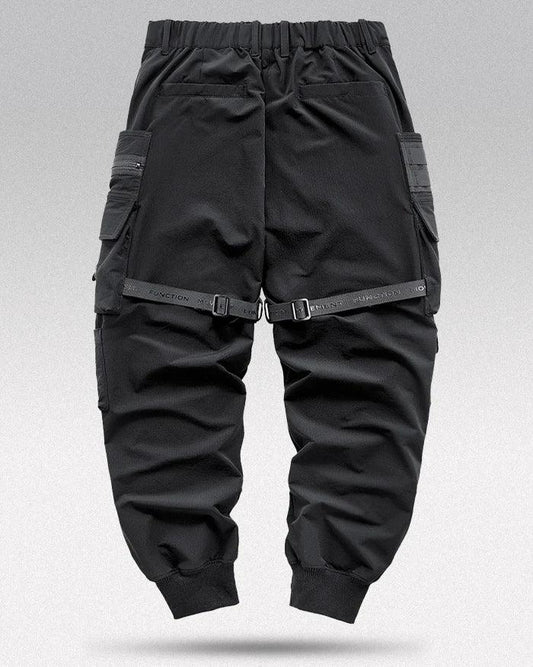
For pants, cordura is especially relevant in high-wear zones. Reinforced knees and durable pocket areas can be more valuable than an all-over heavy fabric, depending on how you move through the city. If you commute, travel, skate, or simply tend to be hard on clothing, cordura-reinforced areas can be a practical upgrade.
Bags and accessories: the original daily-abuse category
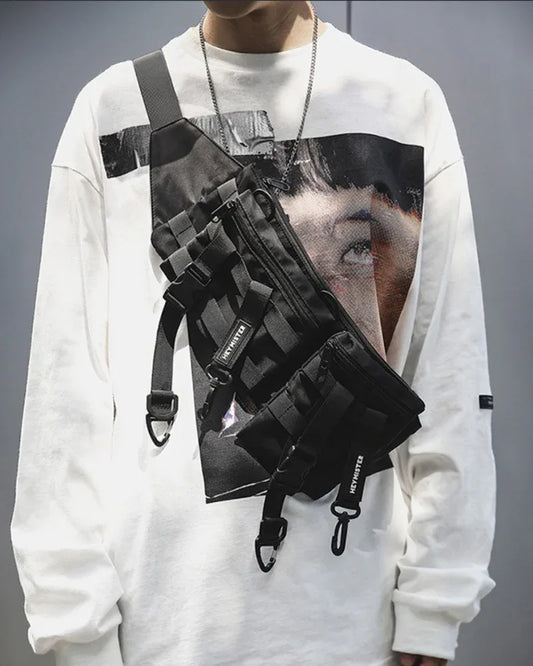
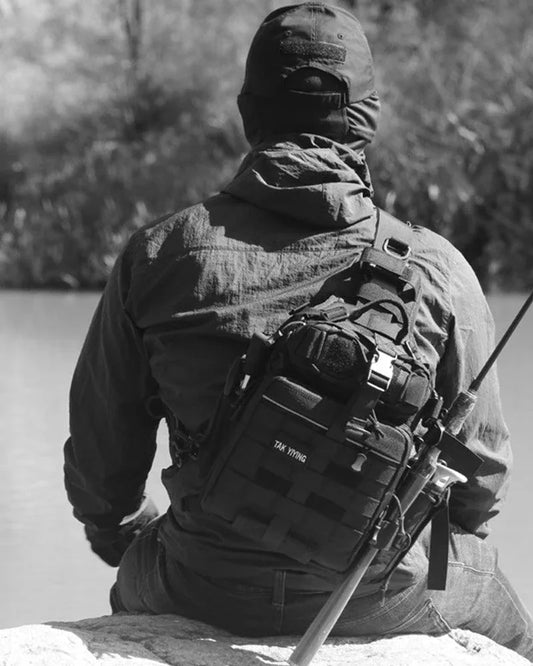
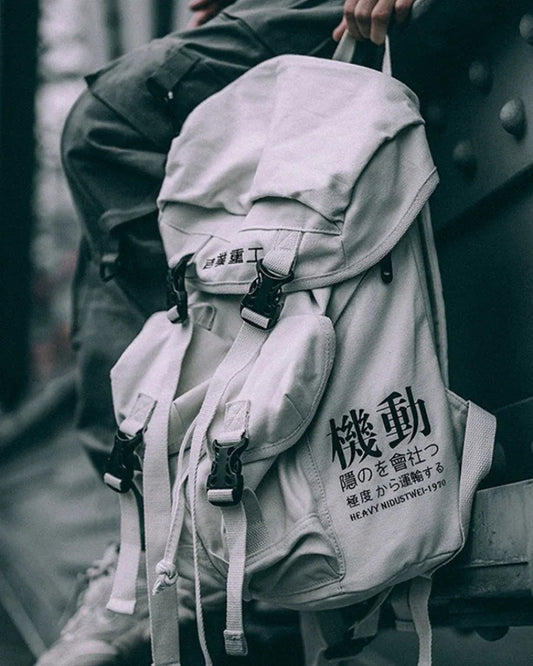
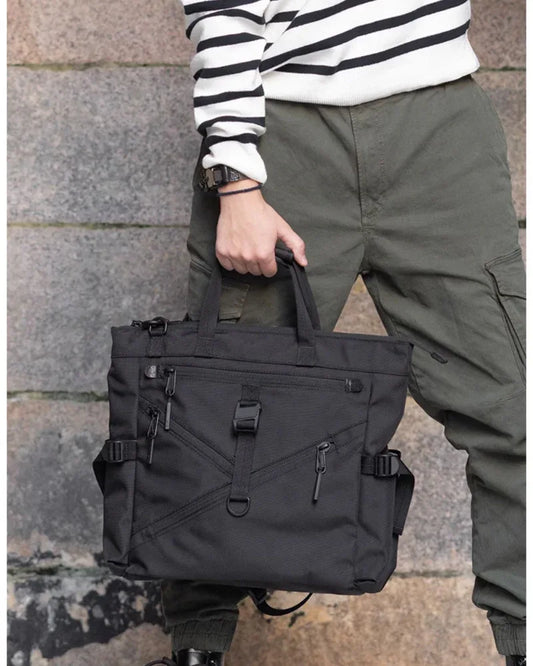
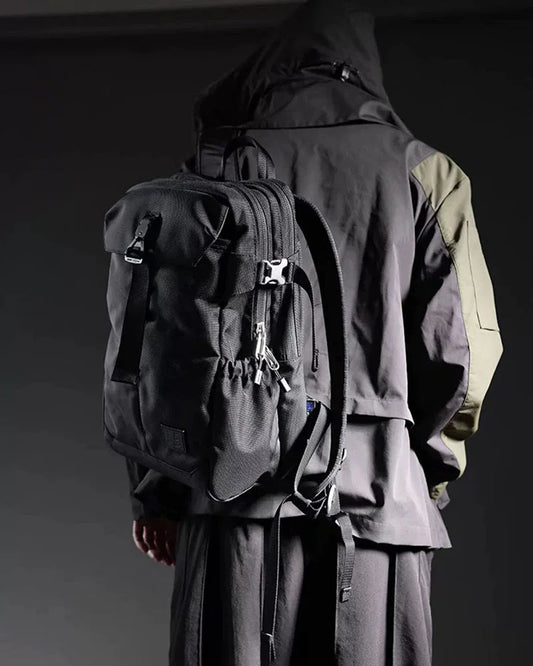
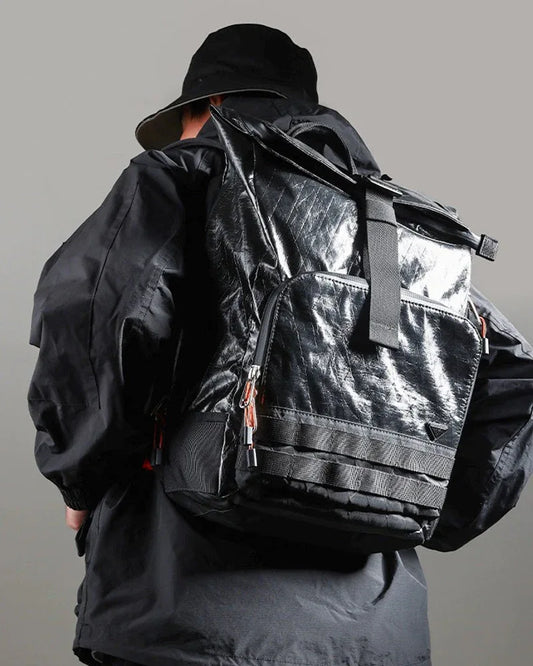
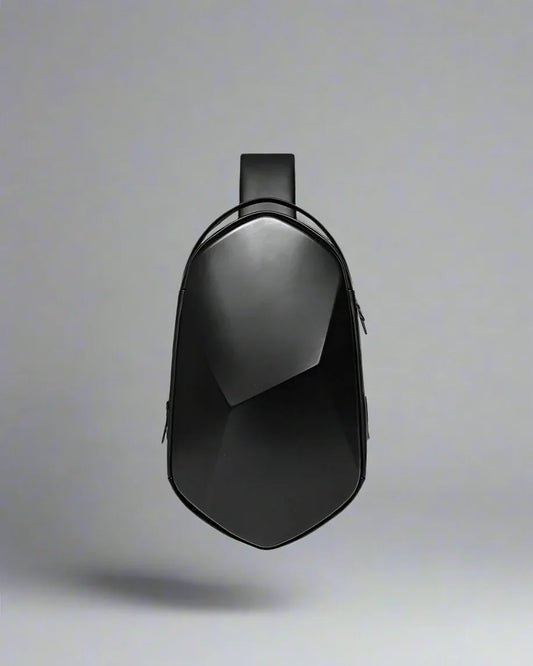
Although this article focuses on wardrobe use, cordura’s reputation was built heavily in gear and luggage contexts. If you are deciding between investing in a jacket versus a bag, cordura is often an especially logical material for accessories that get dropped, dragged, and overstuffed.
How to style CORDURA without looking overly tactical
CORDURA can lean “technical” quickly, especially when paired with heavy black palettes, straps, and hardware. The styling goal is balance: let the fabric do the work, then choose one or two supporting elements to make the outfit feel intentional rather than costume-like.
Outfit rule: pair one hard surface with one soft layer
A cordura jacket or overshirt reads structured. Pair it with a softer hoodie, knit, or relaxed tee to keep the look wearable. This mix also helps with comfort because many cordura pieces feel more protective than cozy.
- Example: cordura outer layer plus a clean hoodie and tapered cargo pants.
- Example: structured shell plus a lightweight tee and wide-leg trousers for contrast.
Fit and proportion: let the fabric hold the silhouette
CORDURA often holds shape, which means fit choices show up clearly. If you want a futuristic streetwear line, consider slightly cropped outerwear with a straighter pant, or a longer shell with a narrower leg. Avoid stacking too many rigid pieces at once unless you are intentionally going for an armored look.
Color logic: black is easy, but texture is the real point
Black cordura looks sharp because texture becomes the detail. If you stay monochrome, vary finishes: matte tee, slightly structured cordura jacket, and a different texture in pants or footwear. If you add color, keep it controlled. One accent color in a cap, inner layer, or bag strap is usually enough to keep the outfit modern.
Seasonal styling: layering choices that keep cordura wearable
Warm weather: Use cordura as a lightweight outer layer for evenings or transit. Keep the rest of the outfit breathable with a tee and relaxed pants or shorts, and rely on accessories for function.
Cold weather: Let cordura be the protective outer face and build warmth underneath with a fleece, hoodie, or insulated layer. The key is mobility. A stiff shell plus bulky layers can feel restrictive, so prioritize pieces that move well.
Care guide: how to clean cordura fabric and keep it looking sharp
CORDURA is chosen for resilience, but good care still matters if you want the garment to keep its shape and finish. Always check the label on the specific item first, because coatings, linings, and trims can change what is safe.
Everyday cleaning: begin with the least aggressive method
- Brush off dry dirt first, especially in seams and pocket openings.
- Use a damp cloth for most surface marks.
- If needed, use a small amount of mild soap in water and test on an inconspicuous area.
Washing: avoid harsh chemistry and high heat
When machine washing is allowed by the care label, cold or lukewarm water and a gentle cycle are typically safer than hot washes. Avoid bleach and aggressive detergents, which can degrade coatings and discolor dark tones. High heat drying can also stress finishes and trims, so air drying is often the conservative choice.
Maintaining water resistance on treated garments
If your cordura piece relies on a surface treatment for water beading, that finish can wear down over time from friction and washing. When performance matters, follow the garment brand’s care instructions for reproofing or restoring the finish. Do not assume the fabric name alone guarantees ongoing water resistance.
Why cordura shows up in techwear and utility fashion
Techwear is not just a look. At its best, it is a design logic: clothing that supports movement, adapts to the city, and stays presentable under real use. Cordura fabric fits into that logic cleanly because it is built for abrasion and repeat wear.
Functional details that pair well with cordura
The fabric works especially well on garments that emphasize:
- Multi-pocket layouts and secure closures
- Reinforced stress points and articulated panels
- Layer-friendly silhouettes that work with hoodies and mids
- Minimal branding, letting construction and texture do the talking
Aionwear relevance: building a durable modern streetwear kit
If your style sits in the intersection of futuristic streetwear and utility, cordura fabric is worth understanding because it aligns with the same priorities that shape techwear wardrobes: reliable outer layers, practical pocketing, and pieces that keep their form.
For outfit building, start with a strong shell and build around it. A tech-focused outer layer becomes more useful when it works with your everyday rotation of hoodies, shirts, and pants. If you are browsing for silhouettes that match this approach, Aionwear’s techwear collection is a useful reference point for the broader styling direction, while the dedicated techwear jackets collection speaks directly to the kind of outerwear where durable fabrics and functional design matter most.
The goal is not to chase labels. It is to choose garments that match how you actually move through the week, then let fabric choices like cordura support that routine.
FAQ: cordura fabric questions people actually ask
What is cordura fabric best used for in clothing?
Cordura fabric is best for outerwear, reinforced panels, and high-wear areas where abrasion resistance and durability matter, like elbows, knees, cuffs, and pocket edges.
Is cordura waterproof?
Cordura is not automatically waterproof. Water performance depends on coatings, laminations, and garment construction, including seams and zippers.
Does cordura feel stiff?
Some cordura fabrics feel crisp or structured, especially heavier constructions or coated versions. Lighter builds can feel more flexible. The garment pattern and lining also affect feel.
How do you wash cordura fabric safely?
Start with a damp cloth for spot cleaning. If washing is allowed by the care label, use a gentle cycle with mild detergent and avoid bleach and high heat.
Is cordura good for everyday streetwear outfits?
Yes, especially if you like utility fashion and techwear. The key is balancing the structured fabric with softer layers and keeping the outfit clean and intentional.
Closing: is cordura fabric actually a wardrobe game-changer?
Cordura fabric can be a real upgrade if your clothes take a beating and you want pieces that keep their shape, resist scuffs, and stay presentable over time. The most useful way to approach cordura is not hype, but fit-for-purpose: understand what is CORDURA, check the garment’s construction and finishing, and choose it where durability and structure make a visible difference.
If your style leans techwear, darkwear, or utility streetwear, cordura fits naturally into that wardrobe because it supports the same priorities: function, longevity, and a clean modern silhouette that holds up to real life.