
















هل أزياء الشارع هي مستقبل الهوية في عالم الموضة؟
جدول المحتويات:
- ما هو أسلوب الشارع حقاً؟
- أزياء الشارع تعتمد على منطق التنسيق، وليس على جمالية واحدة.
- أزياء الشارع وملابس الشارع مترابطة، لكنها ليست متطابقة.
- أزياء الشارع والهوية: لماذا تبدو أكثر شخصية من أزياء منصات العرض؟
- إنها مبنية على التكرار، لا على إعادة الاختراع
- إنه يعكس نمط الحياة الكامن وراء المظهر
- فهو يتيح المجال لمزيد من أنواع النكهات
- كيف تطورت أزياء الشارع لتصبح نظام هوية عالمي
- من المشاهد المحلية إلى المنصات العالمية
- أصبحت الوظيفة جزءًا من الجمالية
- تستمر موجة الحنين إلى الماضي في الدوران، لكن التصميم هو الذي يحدد ما إذا كان يبدو عصريًا أم لا.
- هل يُمثّل أسلوب الشارع مستقبل الهوية في عالم الموضة؟ إجابة عملية
- تنجح أزياء الشارع لأنها تتدرج من البساطة إلى الصخب.
- إنها واحدة من المساحات القليلة التي تعني فيها كلمة "مناسب" معنىً حقيقياً.
- الخطر: تتلاشى الهوية بفعل دورات الاتجاهات المستمرة
- كيف تصنعين أزياء الشارع التي تعكس شخصيتك؟
- 1) اختر مجموعة من الصور الظلية والتزم بها
- 2) استخدم مجموعة ألوان محدودة، ثم أضف لونًا "إشارة" واحدًا
- 3) دع الملابس الخارجية تحمل الهوية
- 4) ابتكر تركيبة طبقات قابلة للتكرار
- 5) استخدمي الإكسسوارات بثقة.
- أهمية أزياء أيونوير: حيث تلتقي أزياء التكنولوجيا، والأزياء الداكنة، وأزياء الألفية الجديدة مع أزياء الشارع
- الأسئلة الشائعة: أزياء الشارع وأساسيات أزياء الشارع
- ما هو أسلوب أزياء الشارع ببساطة؟
- ما الفرق بين أسلوب الشارع وملابس الشارع؟
- كيف أبدأ في بناء خزانة ملابس مستوحاة من أزياء الشارع دون الإفراط في الشراء؟
- هل يجب أن تكون أزياء الشارع فضفاضة؟
- كيف أجعل أسلوب الشارع يبدو أكثر شخصية وأقل اعتمادًا على الموضة؟
- هل يمكن أن تبدو تأثيرات الألفية الجديدة عصرية في أزياء الشارع؟
- الخاتمة: أزياء الشارع كهوية، الآن وفي المستقبل
لم يعد أسلوب الشارع مجرد مصدر للصيحات، بل أصبح لغةً يستخدمها الناس للتعبير عن هويتهم في الأماكن العامة. إذا تساءلت يومًا عن ماهية أسلوب الشارع، فالإجابة الأبسط هي: أسلوب الشارع هو الطريقة التي ينسق بها الناس ملابسهم وأحذيةهم وإكسسواراتهم ليصنعوا زيًا شخصيًا يعكس مدينتهم وثقافاتهم الفرعية وحياتهم اليومية. لا يتعلق الأمر كثيرًا بمظهر محدد مسبقًا، بل بالنية وخيارات التنسيق والرسالة التي يوصلها المرء دون الحاجة إلى شرح.
هل يُمثّل أسلوب الشارع مستقبل الهوية في عالم الموضة؟ في نواحٍ عديدة، هو حاضرنا بالفعل. يجمع أسلوب الشارع بين الراحة والعملية والتعبير عن الذات. كما أنه يواكب وتيرة الثقافة: الموسيقى، والحياة الليلية، والمجتمعات الإلكترونية، والأعمال الإبداعية، وتغيّر المفاهيم حول النوع الاجتماعي والمكانة الاجتماعية. تُحلّل هذه المقالة مفهوم أسلوب الشارع اليوم، وسبب ارتباطه الوثيق بالهوية، وكيفية بناء خزانة ملابس مستوحاة من أسلوب الشارع مع الحفاظ على طابعها الشخصي.
ما هو أسلوب الشارع حقاً؟
ما هو أسلوب الشارع؟ في جوهره، أسلوب الشارع هو تنسيق الملابس خارج نطاق الأزياء الرسمية. يتشكل هذا الأسلوب مما يرتديه الناس فعلاً في الشارع، أثناء تنقلاتهم، في العروض، في المقاهي، في العمل، وفي الأماكن الأخرى حيث يختبر الطقس والعملية والمزاج أسلوبهم الشخصي.
أزياء الشارع تعتمد على منطق التنسيق، وليس على جمالية واحدة.
يساعد هذا في التمييز بين أزياء الشارع و"الموضة" الواحدة. قد تكون أزياء الشارع لدى شخص ما بسيطة وأحادية اللون، بينما قد تكون لدى آخر تصاميم غنية بالرسومات وتحمل طابعًا كلاسيكيًا، وقد تميل أخرى إلى الطابع العملي مع جيوب وإكسسوارات كثيرة. ما يجمع بينها هو منطق التنسيق.
- قابلية الارتداء في الحياة اليومية: يمكن للزي أن يتحمل يومًا من الحركة والتنقل وتغير درجات الحرارة.
- الرموز الشخصية: خيارات متكررة تصبح جزءًا من هويتك، مثل الصور الظلية المتناسقة، أو لوحة الألوان، أو الإكسسوارات المميزة.
- الإشارات الثقافية: إشارات إلى المشاهد الموسيقية، والرياضة، والألعاب، والحياة الليلية، وثقافة التزلج، وثقافة التكنولوجيا، أو طاقة المدينة المحلية.
- مستويات المزج: الجمع بين الجديد والمستعمل، والقطع الأساسية النظيفة مع الملابس الخارجية المميزة، أو الطباعة مع القطع المصممة خصيصاً.
أزياء الشارع وملابس الشارع مترابطة، لكنها ليست متطابقة.
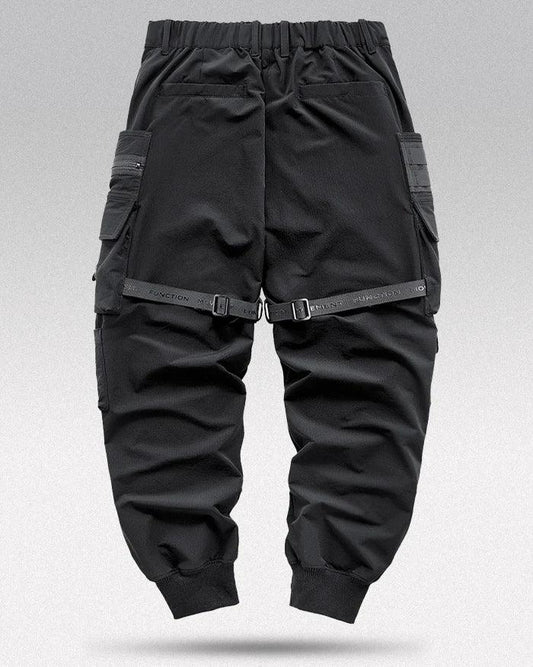
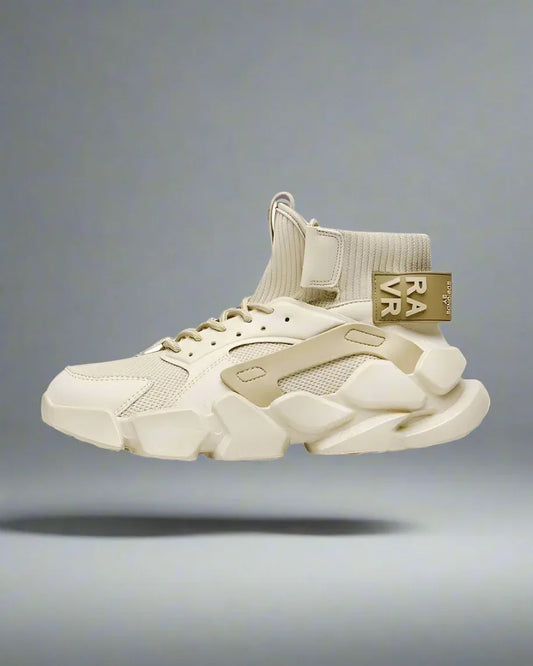
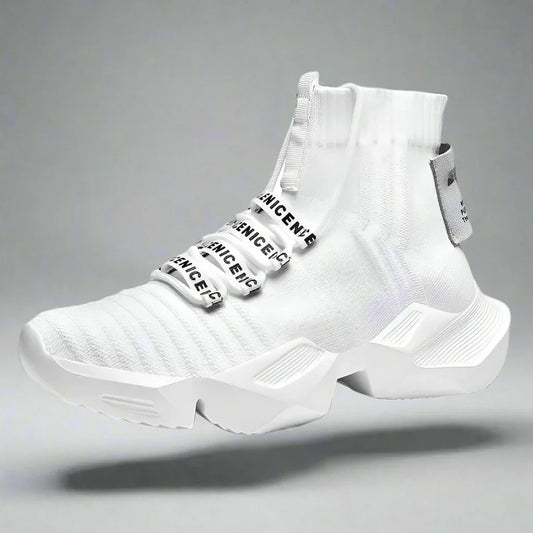
يشير مصطلح "ملابس الشارع" عادةً إلى فئة منتجات ومجموعة من القطع الأساسية: السترات ذات القلنسوة، والقمصان المطبوعة، والأحذية الرياضية، وسراويل الكارجو، والقبعات، والملابس الخارجية العملية. أما "موضة الشارع" فهي أوسع نطاقًا، و"أسلوب الشارع" هو طريقة تنسيق هذه القطع معًا. يمكنك ارتداء ملابس الشارع دون اتباع أسلوب الشارع، كما يمكنك التمتع بأسلوب شارع أنيق دون ارتداء القطع الأساسية الكلاسيكية. يكمن جوهر الهوية في كيفية بناء مظهر يعكس حياتك وذوقك.
أزياء الشارع والهوية: لماذا تبدو أكثر شخصية من أزياء منصات العرض؟

ترتبط أزياء الشارع ارتباطًا وثيقًا بالهوية، لأنها تُرتدى في الأماكن العامة، وفي سياقات محددة، وغالبًا لغرض معين. قد تكون إطلالات عروض الأزياء مُلهمة، لكنها مصممة لتقديم فكرة معينة. أما أزياء الشارع، فيصممها مرتديها للتعبير عن شيء محدد حول هويتهم وكيفية تفاعلهم مع العالم.
إنها مبنية على التكرار، لا على إعادة الاختراع
تستمد الهوية في الملابس عادةً من خيارات متكررة. فالأشخاص الذين يشعرون بالأناقة لا يملكون عادةً أكبر عدد من القطع، بل يملكون القطع المناسبة ويعيدون تنسيقها. يدعم أسلوب الشارع هذا المفهوم لأنه مرن وقابل للتعديل: السترات فوق القمصان ذات القلنسوة، والصدريات فوق القمصان، وسراويل الكارجو مع أحذية مختلفة، والإكسسوارات التي تُغير المظهر بسرعة.
إنه يعكس نمط الحياة الكامن وراء المظهر
غالباً ما تبدو أزياء الشارع صادقة لأنها تعكس بشكل طبيعي ظروف مرتديها وأولوياتهم الحقيقية: كثرة المشي، وحمل الأمتعة، والحاجة إلى ارتداء طبقات متعددة من الملابس، والرغبة في الراحة، وتجنب المبالغة، أو تفضيل الملابس التي تتحمل الاستخدام المتكرر. هذا الارتباط بنمط الحياة هو ما يجعل أزياء الشارع تبدو أكثر أصالة من الأزياء المصممة خصيصاً للصور.
فهو يتيح المجال لمزيد من أنواع النكهات
أزياء الشارع هي من بين المساحات القليلة في عالم الموضة التي تسمح بتعايش هويات مختلفة دون الحاجة إلى نفس المراجع. فإطلالة بسيطة أحادية اللون تناسب المارة يمكن أن تندرج تحت مظلة "أزياء الشارع" نفسها التي تندرج تحتها إطلالة مستوحاة من موضة الألفية الجديدة بتفاصيلها الجريئة. ليس الهدف هو التوافق، بل الوضوح.
كيف تطورت أزياء الشارع لتصبح نظام هوية عالمي
لم يصبح أسلوب الشارع مؤثراً لأنه كان "جريئاً"، بل لأنه كان قابلاً للتكيف. فهو قادر على استيعاب التأثيرات الجديدة، وإعادة مزج التأثيرات القديمة، والاستجابة بسرعة للتغيرات في الثقافة والتكنولوجيا.
من المشاهد المحلية إلى المنصات العالمية
كانت أزياء الشارع تُقرأ في السابق من مدينة لأخرى. أما الآن، فبإمكان صورة واحدة لإطلالة مميزة أن تنتشر فورًا وتؤثر في الناس عبر مختلف المناخات والثقافات. هذا لا يمحو الطابع المحلي، ولكنه يعني أن التفاصيل الدقيقة للجماليات تنتشر بسرعة غير مسبوقة. الجانب الإيجابي هو الإبداع، أما الجانب السلبي فهو التكرار والتشابه عندما يقلد الجميع نفس الأسلوب دون إضفاء لمسة شخصية عليه.
أصبحت الوظيفة جزءًا من الجمالية
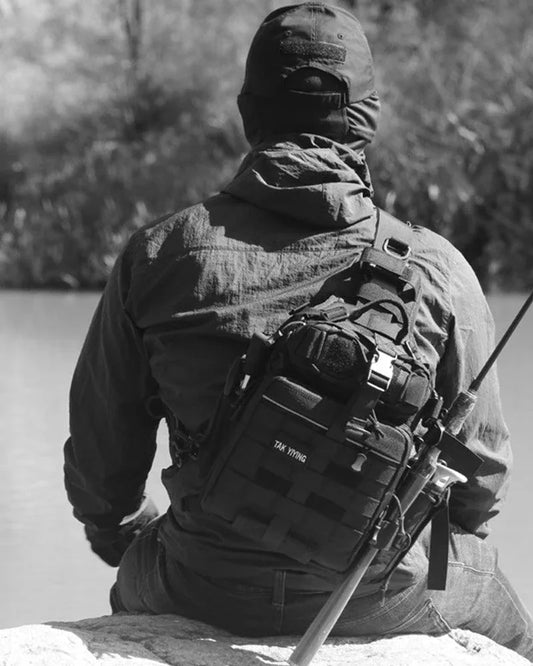
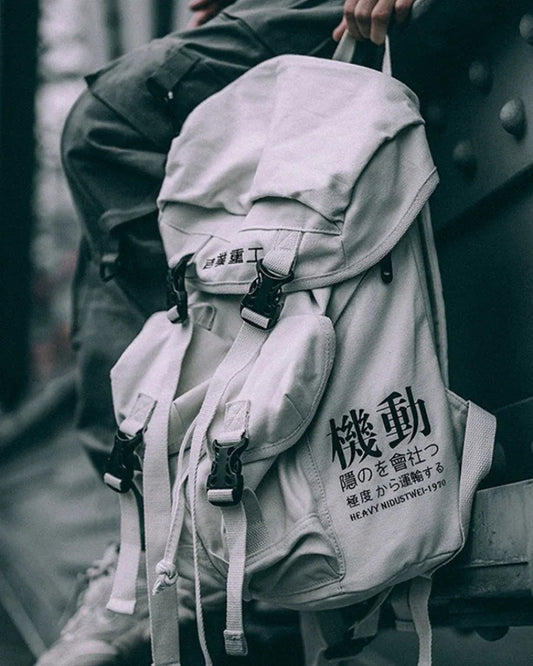
من أبرز التحولات في أزياء الشارع الحديثة هو كيف أصبحت العملية تبدو جذابة عن قصد. فقد انتقلت الجيوب والطبقات والأقمشة المقاومة للعوامل الجوية والحواف القابلة للتعديل والتفاصيل المعدنية من كونها وظيفية بحتة إلى كونها ذات دلالة بصرية. وهذا أحد أسباب اندماج أزياء العمل والملابس التقنية بسلاسة في أزياء الشارع.
تستمر موجة الحنين إلى الماضي في الدوران، لكن التصميم هو الذي يحدد ما إذا كان يبدو عصريًا أم لا.
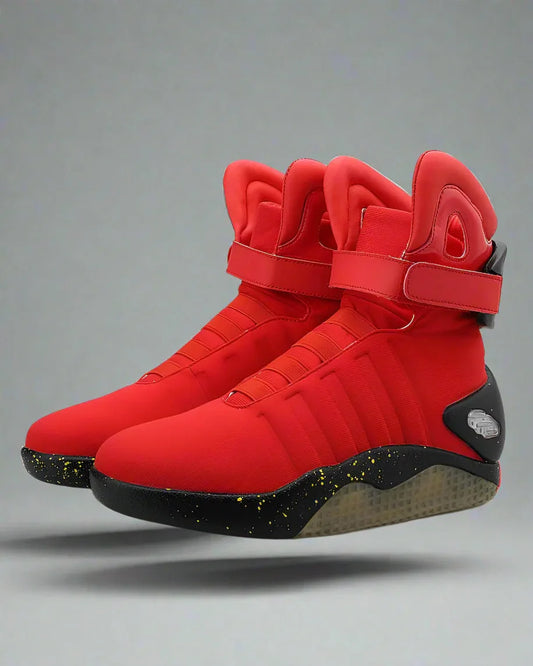
تستوحي أزياء الشارع إلهامها من عناصر معينة: من تصميمات أوائل الألفية، إلى الملابس الرياضية في أواخر التسعينيات، وملابس العمل، والملابس العسكرية الفائضة، والبساطة، والإطلالات المستوحاة من عالم الإنترنت. لا يكمن السر في المرجع بحد ذاته، بل في كيفية تحقيق التوازن بين عناصره. فإذا كان كل شيء استلهاماً مباشراً من الماضي، قد يبدو الأمر أشبه بزي تنكري. أما إذا استوحى عنصر أو عنصران من حقبة زمنية معينة، بينما يتميز باقي الزي بالبساطة والحداثة، فسيبدو التصميم مقصوداً.
بالنسبة لمن يميلون إلى الحنين إلى الماضي، فإنّ اتباع نهج مدروس هو الأنسب: التركيز على عنصر واحد من عناصر عام 2000 في كل مرة، مثل صورة ظلية أو رسم أو إكسسوار. إذا كنت ترغب في نقطة انطلاق محددة، فإليك مجموعة ملابس Aionwear المستوحاة من عام 2000. يتماشى ذلك مع نوع التفاصيل الكلاسيكية التي تترجم بشكل جيد إلى أزياء الشارع الحديثة عند اقترانها بقطع أساسية أبسط.
هل يُمثّل أسلوب الشارع مستقبل الهوية في عالم الموضة؟ إجابة عملية
من المرجح أن تبقى أزياء الشارع هي الطريقة السائدة لتشكيل الهوية في عالم الموضة، لأنها عملية ديمقراطية، ونتائجها شخصية، وتتوافق مع الحياة الواقعية. لكن المستقبل لا يقتصر على نمط واحد موحد لأزياء الشارع، بل يتضمن العديد من "الهويات" المتوازية المبنية على أنظمة أزياء مختلفة.
تنجح أزياء الشارع لأنها تتدرج من البساطة إلى الصخب.
يمكنك التعبير عن هويتك بإشارات بسيطة: شكل بنطال معين، أو مجموعة ألوان متناسقة، أو تصميم حذاء محدد، أو قطعة ملابس خارجية ترتديها باستمرار. أو يمكنك المبالغة في اختيارك من خلال قصات فضفاضة، أو إكسسوارات معدنية بارزة، أو تنسيق طبقات ملابس جريء، أو رسومات لافتة. يدعم أسلوب أزياء الشارع كلا الخيارين لأنه قائم على حرية الاختيار، وليس على الإذن.
إنها واحدة من المساحات القليلة التي تعني فيها كلمة "مناسب" معنىً حقيقياً.
في أزياء الشارع، لا يقتصر الأمر على مجرد تفصيل الملابس، بل هو رسالة بحد ذاتها. فالملابس الفضفاضة قد توحي بالراحة، أو الدفاع عن النفس، أو التخفي، أو الثقة بالنفس. أما الملابس القصيرة فترمز إلى الأناقة والتحكم. بينما توحي الملابس ذات الأرجل الواسعة بالسهولة والحرية في الحركة. أما البناطيل الضيقة فترمز إلى الجاهزية والتناسق. عندما تصبح أزياء الشارع جزءًا من هويتك، تصبح النسب هي بصمتك المميزة.
الخطر: تتلاشى الهوية بفعل دورات الاتجاهات المستمرة
إنّ أكبر تهديد لأسلوب الشارع كهوية هو السرعة. فإذا غيّرت "جمالياتك" أسبوعياً، فلن يترسخ أسلوبك. يبقى أسلوب الشارع قوياً عندما تحافظ على أساس ثابت وتجعل الصيحات مجرد لمسات جمالية لا تُشكّل الهوية بأكملها.
كيف تصنعين أزياء الشارع التي تعكس شخصيتك؟

إذا كان هدفك هو بناء هوية مميزة، وليس مجرد اختيار الملابس، فابدأ بإنشاء نظام بسيط يمكنك تكراره. يصبح أسلوب الشارع مميزًا عند تنسيقه.
1) اختر مجموعة من الصور الظلية والتزم بها
اختر اتجاهاً واحداً أو اتجاهين من اتجاهات التصميم التي يمكنك الالتزام بها لموسم كامل:
- حجم كبير في الجزء العلوي، وقصة انسيابية في الجزء السفلي: سترة بغطاء رأس أو جاكيت واسع مع بنطال ضيق.
- الجزء العلوي انسيابي، والجزء السفلي واسع: تيشيرت ضيق أو جاكيت قصير مع بنطال واسع الساقين.
- تنسيق الطبقات: تيشيرت طويل، سترة بغطاء رأس، ثم ملابس خارجية مع بنطال مريح، يتم التحكم بها من خلال لوحة ألوان ضيقة.
هذه هي أبسط طريقة لجعل أزياء الشارع تبدو مقصودة بدلاً من أن تبدو عشوائية.
2) استخدم مجموعة ألوان محدودة، ثم أضف لونًا "إشارة" واحدًا
تعتمد العديد من إطلالات أزياء الشارع الجريئة على ألوان أساسية: الأسود، الرمادي الداكن، الرمادي، الأبيض الكريمي، الزيتوني، أو الكحلي. ثم يُضاف لون مميز من خلال حقيبة، أو حذاء، أو قبعة، أو رسمة واحدة. هذا يجعل الإطلالة عملية وأنيقة في الوقت نفسه.
3) دع الملابس الخارجية تحمل الهوية
في عالم أزياء الشارع، غالباً ما تكون الملابس الخارجية هي محور الاهتمام. فالسترة تُغيّر تماماً معنى الملابس الأساسية التي ترتديها تحتها. إذا كنت ترتدي مجموعة صغيرة من السترات بالتناوب، سيبدو أسلوبك متناسقاً حتى مع تغيير الملابس الداخلية.
إذا كنتِ تميلين إلى التصاميم العملية وأسلوب أزياء الشارع العصري، فإنّ نقطة انطلاق مثالية هي التركيز على السترات المصممة للارتداء فوق بعضها البعض وللحركة. تتناغم مجموعة سترات Aionwear التقنية بسلاسة مع أزياء الشارع لأنها تُركز على القطعة التي تُحدد بوضوح التناسق والبنية والأسلوب في أي إطلالة.
4) ابتكر تركيبة طبقات قابلة للتكرار
يُضفي تنسيق الطبقات لمسةً شخصيةً على أسلوب الشارع. جرّبي طرقًا يمكنكِ تكرارها:
- الطبقة الأساسية: تيشيرت أو قميص بأكمام طويلة. الطبقة الوسطى: سترة بغطاء رأس أو قميص خارجي. الطبقة العلوية: جاكيت.
- الطبقة الأساسية: قميص ضيق. الطبقة الوسطى: سترة داخلية. الطبقة العلوية: ملابس خارجية عند الحاجة.
- القاعدة: طقم أحادي اللون. الطبقة العلوية: طبقة خارجية واحدة متباينة.
كرر الصيغة حتى تشعر أنها تناسبك، ثم عدّل متغيرًا واحدًا في كل مرة.
5) استخدمي الإكسسوارات بثقة.
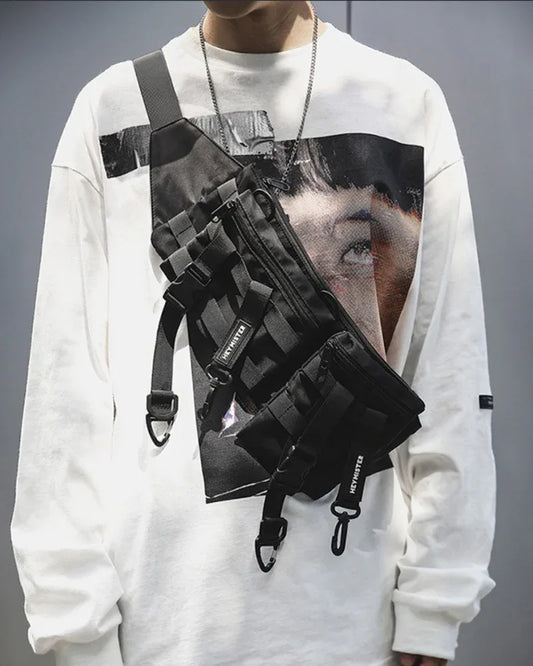
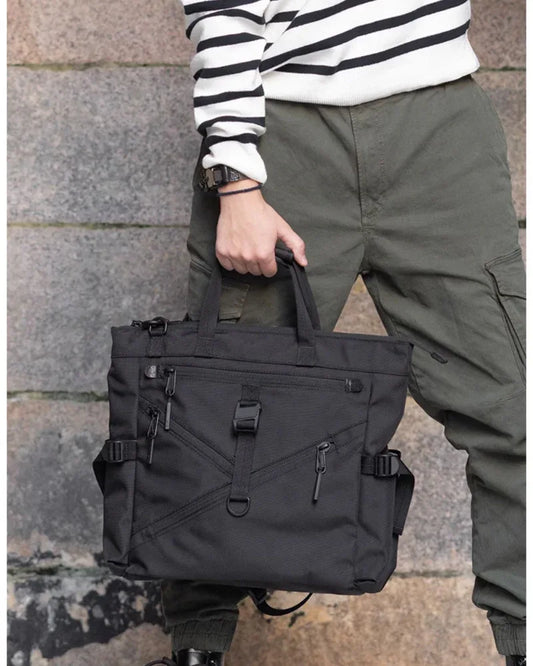
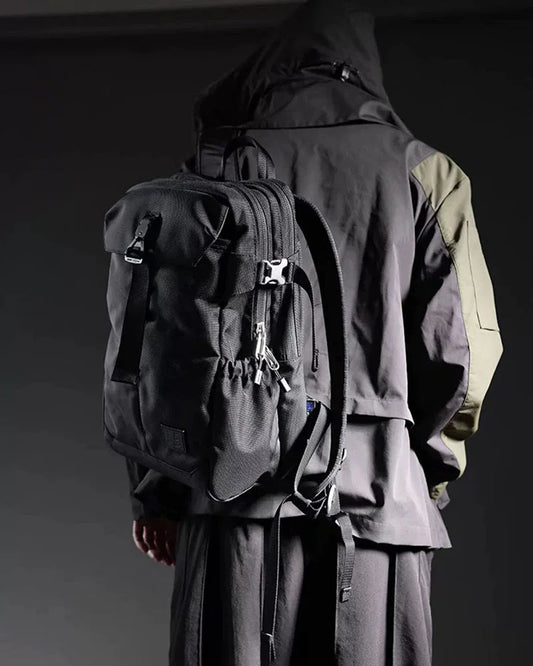
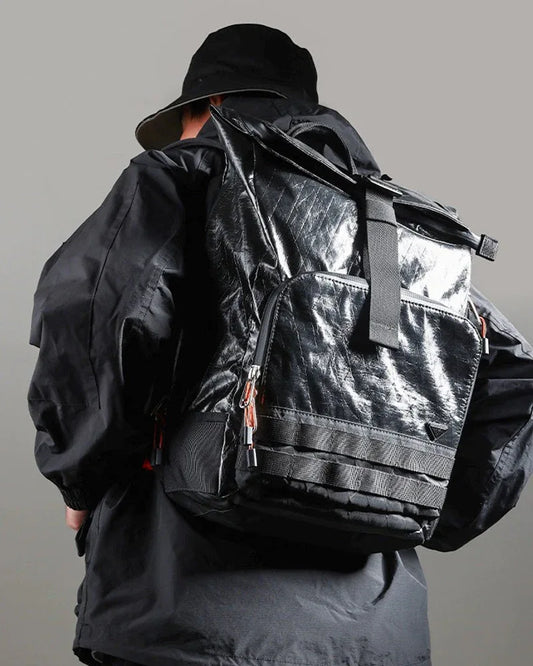
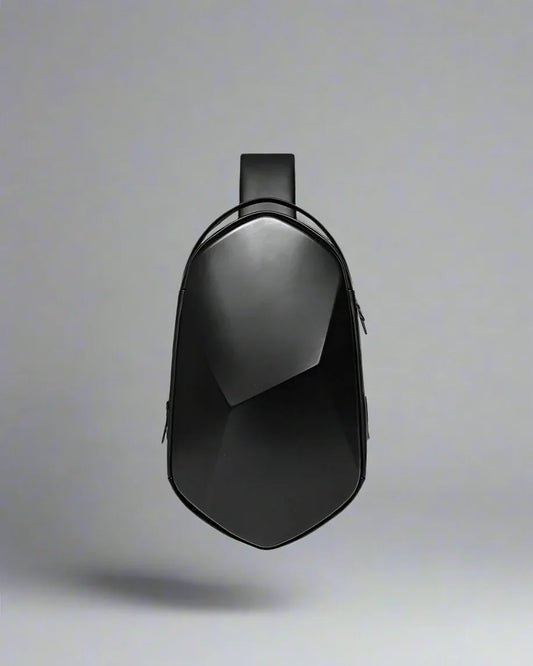
الإكسسوارات في أزياء الشارع ليست مجرد زينة، بل هي لمسة مميزة. قبعة تضفي على الإطلالة طابعًا رياضيًا، وحقيبة كروس بودي تمنحها طابعًا عمليًا، ونظارة أنيقة تجعلها أكثر بساطة. اختاري الإكسسوارات التي تناسب أسلوب حياتك، وليس فقط الصور.
أهمية أزياء أيونوير: حيث تلتقي أزياء التكنولوجيا، والأزياء الداكنة، وأزياء الألفية الجديدة مع أزياء الشارع
تقع علامة Aionwear في منطقة التقاء أزياء الشارع مع الملابس العملية، والأزياء الداكنة ذات الطابع الكلاسيكي، وأزياء الشارع المستقبلية. هذا التداخل مهم لأن أزياء الشارع الحديثة غالبًا ما تُبنى على ثلاثة عناصر أساسية في آن واحد: الراحة، والوظيفة، والهوية البصرية. تُجسد التفاصيل العملية والتصاميم متعددة الطبقات الوظيفة، بينما تُعبر الألوان الداكنة والنسب الدقيقة عن الهوية، أما إشارات عام 2000 فتُجسد الثقافة والحنين إلى الماضي.
أفضل طريقة لدمج هذين العالمين هي أن تُركّز خزانة ملابسك على قطع أساسية متعددة الاستخدامات، ثم تختار اتجاهًا واحدًا قويًا للتعبير عن نفسك. في بعض الأيام، قد يكون ذلك تصميمًا كلاسيكيًا أو تفصيلًا مميزًا. وفي أيام أخرى، قد يكون طبقة خارجية عملية وقاعدة أكثر بساطة. مع مرور الوقت، يصبح التكرار بصمتك الخاصة، وهذا هو جوهر أسلوب الشارع كهوية.
الأسئلة الشائعة: أزياء الشارع وأساسيات أزياء الشارع
ما هو أسلوب أزياء الشارع ببساطة؟
أزياء الشارع هي الطريقة التي ينسق بها الناس ملابسهم في حياتهم اليومية باستخدام ذوقهم الشخصي، ومراجع ثقافية، وخيارات عملية. إنها لا تعتمد على قواعد محددة بقدر ما تعتمد على نية واضحة.
ما الفرق بين أسلوب الشارع وملابس الشارع؟
ملابس الشارع هي فئة من الملابس الأساسية المرتبطة بالأزياء الحضرية غير الرسمية. أما أسلوب الشارع فهو كيفية تنسيق أي قطع، بما في ذلك ملابس الشارع، في إطلالة تعكس الهوية الشخصية.
كيف أبدأ في بناء خزانة ملابس مستوحاة من أزياء الشارع دون الإفراط في الشراء؟
ابدأ بمجموعة صغيرة: قطعتان سفليتان تحبهما، قطعتان متوسطتا الحجم، سترة متينة واحدة، وحذاء يمكنك المشي به. ثم كرر الملابس وعدّل المقاسات والأبعاد قبل إضافة المزيد من القطع.
هل يجب أن تكون أزياء الشارع فضفاضة؟
لا. صحيح أن الملابس الفضفاضة شائعة، لكن أزياء الشارع يمكن أن تكون مصممة خصيصاً، أو قصيرة، أو أنيقة وبسيطة. المهم هو أن تبدو الملابس مختارة بعناية، وليست عشوائية.
كيف أجعل أسلوب الشارع يبدو أكثر شخصية وأقل اعتمادًا على الموضة؟
اختر تصميمًا وألوانًا متناسقة، ثم استخدم عنصرًا مميزًا بشكل متكرر، مثل شكل سترة معين، أو نوع معين من الإكسسوارات، أو أسلوب تنسيق الطبقات. يجب أن تكون الصيحات الرائجة مجرد لمسات إضافية، وليست الأساس.
هل يمكن أن تبدو تأثيرات الألفية الجديدة عصرية في أزياء الشارع؟
نعم. احتفظي بقطعة واحدة من موضة الألفية الجديدة في كل مرة، ووازنيها بقطع أبسط. عادةً ما يأتي الأسلوب العصري من طبقات أكثر بساطة، وألوان متناسقة، وتناسبات مدروسة.
الخاتمة: أزياء الشارع كهوية، الآن وفي المستقبل
تزداد شعبية أزياء الشارع باستمرار لأنها تعبير مباشر عن الذات. فهي تتكيف مع الحياة الواقعية، وتراعي الراحة والعملية، وتسمح للهوية بالظهور بشكل مختلف من شخص لآخر. إذا تساءلت يومًا عن ماهية أزياء الشارع، فإن أفضل إجابة هي أنها ليست جمالية ثابتة، بل هي أسلوب لتحويل الملابس إلى بصمة شخصية من خلال المقاسات المناسبة، وتنسيق الطبقات، والتكرار.
نعم، يمكن أن يكون أسلوب الشارع مستقبل الهوية في عالم الموضة، ولكن بشرط أن يبقى شخصياً. فأقوى أزياء الشارع ليست الأكثر صخباً أو الأغلى ثمناً، بل هي الأكثر انتقاءً، والأكثر عفويةً، والأكثر صدقاً مع من يرتديها.